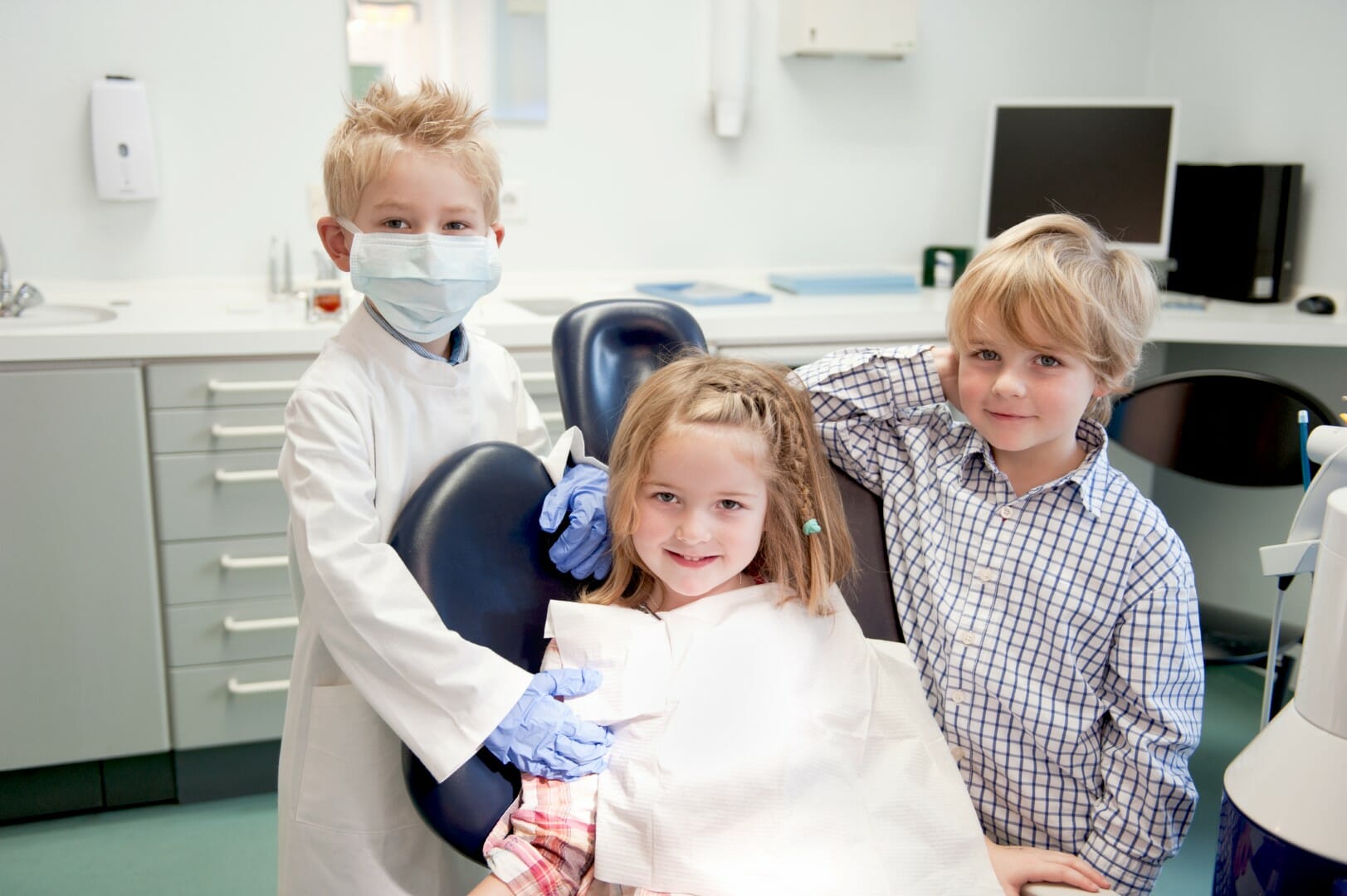
The first dental visit is a small but important moment. When it’s done well, it sets the tone for a lifetime of good dental habits and comfortable check-ups. If not, it can plant the seed for years of dental anxiety.
At Bellevue Hill Dental, we take children’s dentistry seriously precisely because we know how much that early experience matters. We have been a family practice in Sydney’s Eastern Suburbs since 1950, and have welcomed three generations of some of our patient families through our doors. We care for toddlers visiting for the first time through to their teenagers finishing orthodontic treatment.
Bellevue Hill Dental is a Medicare Child Dental Benefits Schedule (CDBS) provider, which means many eligible families can access dental care for their children with reduced out-of-pocket costs.
Children’s dental services we provide
- Dental check-ups and examinations — monitoring tooth development, bite alignment, and early signs of decay
- Professional cleaning and scale — gentle removal of plaque and tartar
- Fissure sealants — protective coating applied to the chewing surfaces of back teeth to prevent decay
- Fluoride treatments — topical fluoride application to strengthen developing enamel
- Fillings — tooth-coloured (composite) restorations for decayed baby and permanent teeth
- Baby tooth extractions — when decay or infection cannot be managed with restorative treatment
- Mouthguards — custom-fitted sports mouthguards for active children
- Orthodontic assessment and referral — monitoring jaw and tooth development from around age 8
- Happy gas (nitrous oxide) — available for anxious children or more involved procedures
When should my child first see a dentist?
We recommend bringing your child in when their first baby teeth start to appear, ideally between ages 2 and 4. The first visit is primarily about familiarisation. That includes meeting the team, sitting in the chair, and letting us take a look at how their teeth are developing.
Early visits also give parents guidance on brushing technique, diet, and how to prevent the most common childhood dental problems before they develop.
|
Age |
What we check for |
Key treatments |
|---|---|---|
|
2–4 years |
First teeth eruption, decay risk, bite development |
Examination, fluoride, parent education |
|
5–7 years |
Baby tooth health, first permanent molars (around age 6) |
Fissure sealants, fillings if needed |
|
8–12 years |
Permanent tooth eruption, early crowding, bite issues |
Orthodontic assessment, sealants, sports mouthguards |
|
12–18 years |
Wisdom tooth development, teen-specific decay risk, alignment |
Orthodontic referral, fluoride, diet counselling |
Child Dental Benefits Schedule (CDBS) — Medicare
The Australian Government’s Child Dental Benefits Schedule (CDBS) provides eligible children aged 0–17 with up to $1,158 in dental benefits over two consecutive calendar years. The cap is indexed annually, so the exact amount can change from year to year.
CDBS covers basic dental services, including examinations, cleans, X-rays, fissure sealants, fillings, and extractions. It does not cover orthodontic treatment, cosmetic procedures, or any dental services provided in a hospital.
Eligibility is linked to your family receiving certain Australian Government payments, like Family Tax Benefit Part A. You can check eligibility through your myGov account, by calling Medicare on 132 011, or directly with us. Just bring your child’s Medicare details to your appointment, and our reception team can check for you.
For full and current details, visit Services Australia.
Fissure sealants: What parents need to know
Fissure sealants are one of the most effective preventive treatments available for children. A thin plastic coating is applied to the chewing surfaces of the molars, filling in the natural pits and grooves where bacteria accumulate and decay most commonly starts.
We typically recommend sealants when the first permanent molars erupt at around age 6, and again when the second permanent molars erupt at around age 12. The procedure is quick, painless, and requires no anaesthetic.
Happy gas for anxious children
Nitrous oxide (happy gas) is a safe, mild sedative that helps anxious children relax during dental treatment. It is administered through a small nose mask, takes effect within a few minutes, and wears off quickly after the mask is removed. Your child will be fully alert before leaving the practice.
Happy gas is appropriate for children who are nervous but cooperative. For children requiring a higher level of sedation, or for very young children who cannot cooperate with treatment, we will discuss referral options.
Children’s dentistry near Bellevue Hill — suburbs we serve
We see children from families across Bellevue Hill, Woollahra, Double Bay, Rose Bay, Paddington, Bondi Junction, Bronte, Clovelly and the surrounding Eastern Suburbs.
Frequently Asked Questions
When should my child have their first dental visit?
Bellevue Hill Dental suggests bringing children when baby teeth start coming through, ideally between ages two and four.
What happens at a first check-up for kids?
Your child meets the team, gets used to the chair, and has a gentle exam only once they’re comfortable. The visit focuses on prevention and parent education.
Do early visits always mean treatment?
No. Early visits are precautionary and preventive—to check growth, spot any early decay, and show brushing techniques.
Why are regular check-ups important for kids?
They help build a positive attitude to dental care, support healthy habits, and allow early detection of issues so they can be managed promptly.
When do you start assessing for orthodontic issues?
Check-ups monitor tooth and jaw development; if needed, orthodontic treatment is generally considered from around eight years and above. Early management can mean shorter treatment times.
What are fissure sealants and when are they advised?
They’re a non-invasive coating on the chewing surface to help prevent cavities—usually around age six when the first permanent molars erupt. They can last for years.
What is fluoride treatment for children?
A targeted fluoride application to strengthen enamel and make teeth more resistant to decay. The practice tailors concentration and use to your child’s needs, aiming to reduce overall exposure while maximising benefit.
If my child gets a cavity, how is it managed?
The dentist treats the decay and places a filling (amalgam or composite). If a baby tooth is badly damaged, a silver crown may be used until it naturally falls out.
When is a tooth extraction considered for a child?
Only as a last resort—for example, severe infection, trauma, or crowding that blocks new teeth. Anaesthesia, sedation, or “happy gas” may be used, and clear aftercare is provided.
What makes the clinic child-friendly?
The clinic notes a child-friendly environment, equipped facilities, and a team of friendly paediatric dentists and staff—plus a play area to help kids feel at ease.
What do parents learn during appointments?
How to care for young teeth, including brushing technique guidance and tips to help reduce decay risk at home.
How do I book or ask about my child’s suitability?
Book a children’s dentistry appointment to discuss your child’s stage of development and get a tailored plan.