Whether you’re an adult who never quite got around to fixing crowded teeth, or a parent looking into orthodontic treatment for your teenager, dental braces remain one of the most reliable ways to straighten teeth and correct bite issues.
At Bellevue Hill Dental, we offer traditional metal braces and ceramic braces for adults and teenagers across Sydney’s Eastern Suburbs. Dr David Digges and the team will assess your teeth, jaw, and bite, talk you through your options, and recommend the approach most likely to give you the result you’re after.
What are dental braces?
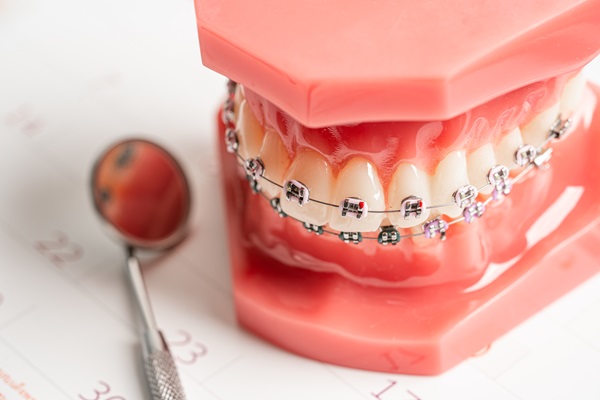
Dental braces are fixed orthodontic appliances that gently and steadily move teeth into better positions over time. They use small brackets bonded to the teeth and a thin wire that runs between them, and as the wire is gradually adjusted, your teeth shift into alignment.
Modern braces are smaller, more comfortable, and more aesthetic than older designs. And while clear aligners (like Invisalign) have grown in popularity, braces are still the most predictable option for many cases, particularly more complex ones.
Types of braces we offer
Ceramic braces
Ceramic braces use tooth-coloured or clear brackets that blend with the natural shade of your teeth, making them far less noticeable than traditional metal brackets. The wires can also be tooth-coloured for a more discreet look overall.
They are popular with adult patients and older teenagers who want the effectiveness of fixed braces without drawing attention to their smile. Treatment time is comparable to metal braces. They work the same way, just with less visible hardware.
Traditional metal braces
Metal braces are the most reliable and cost-effective fixed orthodontic option. Modern metal brackets are smaller, smoother, and more comfortable than older versions, and they are particularly well-suited to complex cases where precise tooth movement matters most. They’re also a great option for younger patients, where durability is a priority.
What bite and alignment problems can braces correct?
- Crowded teeth — insufficient space in the arch for teeth to sit in correct alignment
- Spaced teeth — gaps between teeth that affect appearance and function
- Overbite — upper front teeth closing too far over the lower teeth
- Underbite — lower teeth sitting in front of upper teeth
- Crossbite — upper and lower teeth not meeting side to side correctly
- Open bite — upper and lower front teeth not meeting when the back teeth are closed
- Rotated or tilted teeth
Complex cases, particularly those involving skeletal jaw discrepancies, may require specialist orthodontist referral. Your dentist will advise after assessment.
Who is a good candidate for braces?
You may be a good candidate if:
- You have one or more alignment or bite issues you would like to correct
- Your gums and the bone supporting your teeth are healthy
- You’re prepared to commit to the treatment timeline and aftercare (including retainers)
There’s no upper age limit for dental braces. In fact, adult patients are common and routinely achieve good outcomes. The main consideration is that any active gum disease or untreated decay will need to be addressed before treatment begins.
What to expect
- Consultation and records. Your dentist examines your teeth, takes X-rays and photos, and either takes impressions or a digital scan. From there, you’ll get a personalised treatment plan and quote.
- Fitting appointment. Brackets are bonded to your teeth, and an archwire is threaded through them. The appointment usually takes 60–90 minutes. Some mild soreness for a few days afterwards is normal as your teeth start to move.
- Adjustment appointments. You will come in every 4–8 weeks for wire changes and adjustments. Each visit takes around 20–30 minutes.
- Debonding and retainers. Once your teeth are in their new positions, the brackets are removed and the teeth polished. Retainers will also be recommended to keep your teeth in place. Wearing your retainers as recommended is a long-term commitment to keeping your results.
Treatment usually takes between 12 and 36 months, depending on how complex your case is. Minor corrections sit at the shorter end, while more involved bite issues take longer. Your dentist will give you a clearer timeline at the planning stage.
Braces cost: What to expect
The cost of braces varies depending on which type you choose, how complex your case is, and how long treatment takes. In general:
- Metal braces are typically more affordable than ceramic braces
- Ceramic braces sit at the higher end because of the materials and aesthetic finish
- Retainers are an additional cost after treatment and are essential for maintaining your results
Private health insurance extras with an orthodontic benefit can offset some of the cost. Most funds apply a lifetime orthodontic cap (rather than an annual one), and most have a waiting period (typically 12 months) before benefits can be claimed. The amount you will receive depends on your fund and policy tier. Before anything, it’s worth checking with your fund directly before starting treatment.
Bellevue Hill Dental offers payment plans and Afterpay to help spread the cost into manageable instalments. We’re happy to provide a tailored quote at your consultation.
Braces near Bellevue Hill — suburbs we serve
We provide braces treatment to patients from Bellevue Hill, Woollahra, Double Bay, Rose Bay, Paddington, Bondi Junction, Bronte, Clovelly and surrounding Eastern Suburbs.
Frequently Asked Questions
Which bite or jaw problems can braces help with?
Braces are used to straighten teeth, correct bites and address certain jaw alignment issues. Your suitability is confirmed after an orthodontic assessment.
What types of braces are available?
The page outlines three options: traditional metal, ceramic (tooth-coloured) and lingual (placed on the inner surface of teeth).
How discreet can braces be?
Ceramic braces are less conspicuous than metal, while lingual braces sit behind the teeth and aren’t visible from the front—but they can be more challenging to clean.
How do braces actually move teeth?
They apply gentle, continuous pressure through brackets and wires so teeth gradually shift into planned positions over time.
Who decides which type suits me?
An experienced orthodontist examines your teeth and bite, then recommends a plan that fits your goals and oral health needs.
Are there hygiene considerations while wearing braces?
Yes. Lingual braces may be harder to clean; your clinician will give tailored cleaning advice for whichever option you choose. Straighter teeth are generally easier to clean long-term.
Do braces support oral health, not just appearance?
Yes. Straighter teeth are easier to clean, which can reduce risks like cavities and gum disease.
What influences how long I’ll wear braces?
Timeframes depend on your bite, crowding/spacing and treatment goals. These are discussed after your initial assessment with the orthodontist.
Are braces only for teenagers?
No. The clinic notes that many Australians continue to get braces to achieve a straighter, healthier smile.
Are payment or insurance options available?
The practice mentions flexible payment options and insurance coverage for orthodontic care; reception can confirm what applies to you.
What’s the first practical step if I’m considering braces?
Book an orthodontic assessment to review your bite and discuss a personalised plan.