When it comes to straightening teeth, two popular options often come up: clear aligners and traditional braces. Both can create a healthy, well-aligned smile — but each offers its own benefits, timelines and long-term considerations.
If you’re considering getting a more aligned smile and you’re deciding between the two, this guide will help you understand how they compare. We will be talking about treatment speed, cost, comfort, lifestyle factors, relapse (or how likely teeth start to shift back) and suitability for different types of orthodontic cases.
What’s the Difference Between Aligners and Braces?
Clear Aligners
Clear aligners are thin, transparent trays worn over your teeth. They’re removable, discreet and replaced every 1–2 weeks as your teeth gently move.
Why many patients like them:
- Almost invisible
- Comfortable and smooth
- No wires or food restrictions
- Easy to brush and floss
- Removable for eating, sports and events
Clear aligners are commonly used for mild to moderate alignment issues, but advancements in planning and treatment now support many complex cases, too.
Dental Braces
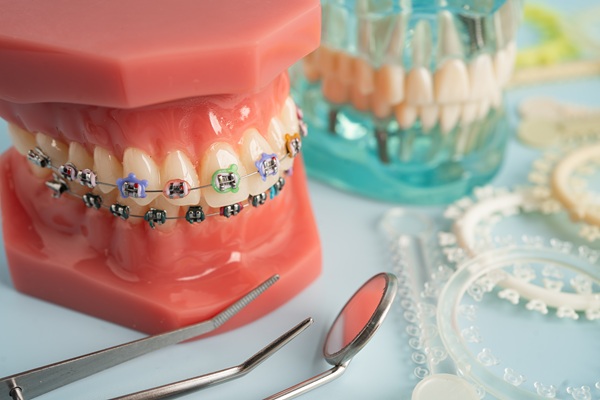
Braces are the traditional appliances that help align your teeth to where they should be. They use brackets and wires fixed to your teeth, and they should be attached for a number of months continuously to guide the teeth into their ideal position.
Why braces remain popular:
- Suitable for simple to complex cases
- Great for bite corrections
- Good option for children, teens and adults
- No need to worry about wearing hours (they’re always on)
Braces today come in metal or ceramic (tooth-coloured) materials, each offering reliable results.
Which Is Faster: Aligners or Braces?
Some treatments finish sooner with aligners; others are faster with braces. The real answer actually depends on your teeth and how much movement is required.
Aligners may be faster for:
- Mild crowding
- Small gaps
- Simple rotations
- Adults who can commit to 20–22 hours of wear
Because aligners are digitally planned from start to finish, straightforward cases can sometimes be completed within 6–12 months.
Braces may be faster for:
- More complex crowding
- Bite corrections (overbite, crossbite, underbite)
- Cases needing extra tools like elastics or attachments
- Situations where compliance with aligners may be challenging
Braces allow your dentist to make small, customised adjustments throughout treatment, which can be beneficial for complex movements.
Which Option Costs Less in Australia?
Costs vary depending on the complexity of your case and the length of treatment.
General price ranges (AUD):
Clear Aligners:
Usually $4,000–$9,000, depending on the number of aligners and refinements needed.
Braces:
Usually $5,000–$9,500, with metal braces often being more affordable than ceramic.
Important:
The complexity of your treatment affects your costs more than the appliance itself. Some complex aligner cases cost more due to additional sets, while some complex brace cases need more appointments or components.
Which Is More Comfortable?
Aligners
- Smooth and gentle on cheeks and lips
- Less initial discomfort
- Light pressure with each new tray
- No emergency visits due to broken wires
Most adults find aligners easier to adapt to.
Braces
- More pressure after adjustments
- Brackets may rub on the cheeks early on
- Small risk of poking wires or breakages
Discomfort usually settles after the first week, and wax can help with early irritation.
What About Eating, Cleaning and Speaking?
Clear Aligners
Aligners are to be removed for eating, drinking anything other than water, brushing and flossing.
Benefits:
- No food restrictions
- Easy oral hygiene
- Lower risk of plaque build-up around the teeth
Some people notice a small temporary lisp in the first few days, but this usually disappears quickly.
Braces
With braces, you can eat normally, but certain foods must be avoided, such as:
- Hard nuts
- Sticky lollies
- Hard bread crusts
- Chewy foods
Extra care is needed to brush around brackets and wires. A water flosser and regular dental cleans can help you maintain excellent hygiene during treatment.
Which Option Is Less Likely to Shift Back?
Actually, your teeth can shift after any orthodontic treatment if retainers are not worn consistently after the treatment.
Relapse is not about whether you choose aligners or braces, but rather your retainer routine.
Retainer Options Include:
- Clear removable retainers (worn at night)
- Fixed retainers bonded behind the front teeth
- A combination of the two
At Bellevue Hill Dental, we recommend a retainer plan that suits your lifestyle so your results remain stable for years to come.
Which Is Better for Complex Cases?
Braces may be more suitable for:
- Extractions
- Significant bite correction
- Severe crowding
- Jaw alignment concerns
- Cases requiring elastics or advanced mechanics
Aligners can now handle many complex cases too, especially with:
- Attachments
- Elastics
- Digital planning
- Staging and refinement steps
Modern aligner systems allow careful, predictable movements, even in situations that were once only treated with braces.
Thinking About Straightening Your Smile?
Choosing between clear aligners and braces can feel overwhelming, but you don’t need to make the decision alone. The most important step is understanding which treatment will give you the healthiest, most stable result. Not just in the next few months, but in the years ahead.
If you’re thinking of straightening your smile with aligners or braces in Bellevue Hill, our team at Bellevue Hill Dental take the time to assess your teeth, bite, lifestyle and goals so you can feel confident about your choice.
Book a consultation with us, so we can help you take the next step.
Frequently Asked Questions
1. Are aligners or braces faster?
Treatment speed depends on the complexity of your teeth and bite. Aligners may be faster for mild cases, while braces may be quicker for more complex movements or bite corrections. A dental assessment helps determine the most efficient option.
2. Which costs more, clear aligners or braces?
Costs are similar for many patients. In Australia, aligners generally range from $4,000–$9,000 and braces from $5,000–$9,500. The complexity of your case, rather than the appliance type, is usually the biggest factor in total cost.
3. Are aligners more comfortable than braces?
Aligners are smooth, removable and often cause less irritation to cheeks and lips. Braces may have discomfort during adjustments and early rubbing, but most people adapt well. Discomfort varies from person to person.
4. Can I eat normally with aligners or braces?
You remove aligners to eat, so there are no food restrictions. Braces stay on during meals, which means hard or sticky foods should be avoided. Each option requires different care to maintain good oral hygiene during treatment.
5. Which is less likely to relapse?
Relapse can happen with any orthodontic treatment if retainers are not worn consistently. The appliance type (aligners or braces) is not the deciding factor. Your long-term retainer routine plays the biggest role in keeping your teeth stable.
6. Are aligners suitable for complex cases?
Modern aligner systems can now manage many complex treatments using digital planning, attachments and elastic wear. However, braces may still be recommended for significant bite issues, extractions or severe crowding.
7. How do I know which option is right for me?
A professional assessment is the best way to know. Your dentist will review your alignment, bite, goals, lifestyle and oral health to help you choose between aligners and braces with confidence.