As a parent, watching your child’s smile develop is one of life’s quiet milestones. From the first tiny tooth breaking through to that first wobbly incisor, each stage marks important growth and development.
Understanding the baby teeth eruption timeline, when children typically lose their baby teeth, and when adult teeth begin to appear may help you feel confident about what is normal, and when to seek advice.
If you’re a first-time parent or guardian, or if you’re not aware of what their timeline is in terms of their baby teeth, here is a guide that you can refer to.
Why Baby Teeth Matter
Baby teeth might be temporary, but they do important work while your child is growing. They help your child:
- Learn to speak clearly as sounds develop
- Chew comfortably, supporting good nutrition
- Hold space for adult teeth so they can come through in a better position
- Guide jaw growth and support healthy facial development
According to research, healthy primary teeth help ensure the proper alignment and eruption of permanent teeth later in childhood. That’s why maintaining good oral health right from infancy is, therefore, an important foundation for lifelong dental well-being.
Baby Teeth Eruption Timeline: When Do Baby Teeth Come In?
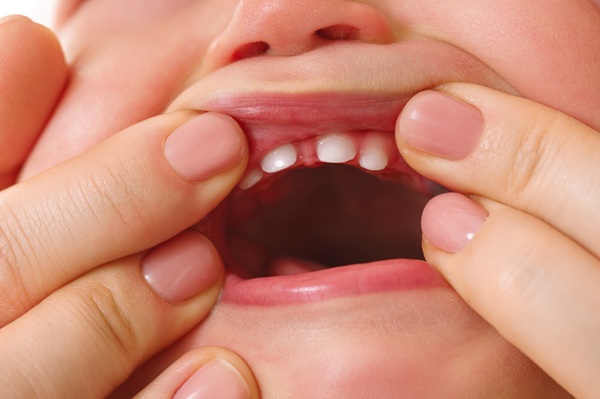
Most babies begin teething around 6 months of age, although this can still vary for every child. Some infants may show their first tooth at 4 months, while others may not erupt teeth until closer to 12 months.
Regardless of when your child’s first tooth erupts, it’s essential to make sure it’s healthy and cared for. Below is a general baby teeth chart outlining the usual order of baby teeth eruption.
Order of Baby Teeth Eruption
- 6–10 months – Lower central incisors (bottom front teeth)
- 8–12 months – Upper central incisors (top front teeth)
- 9–16 months – Upper and lower lateral incisors
- 13–19 months – First molars
- 16–23 months – Canines (eye teeth)
- 23–33 months – Second molars
By around 3 years of age, most children will have a full set of 20 primary teeth.
As mentioned earlier, minor variations in timing may also happen and are quite common, but are usually not a cause for concern. Some of the reasons behind these are genetics, overall health, and birth factors, which can influence the teething chart in Australia and globally.
Now, teeth don’t erupt from your child’s teeth overnight. It grows gradually and should be monitored. Let’s look at the symptoms or signs that their teeth are erupting.
Teething Symptoms: What Is Normal?
During teething, you may notice:
- Drooling
- Mild gum swelling
- Irritability
- Chewing on objects
- Disturbed sleep
There are normal signs that their teeth are about to show. In fact, according to research, teething may cause local gum discomfort to the infant, but this does not typically cause high fever or severe illness. If your child develops persistent fever, diarrhoea, or lethargy, it is advisable to consult a dentist or healthcare professional.
If you are unsure when to see a dentist for teething, we recommend booking a visit if:
- Your child appears to be in significant pain
- There is a delayed tooth eruption in children beyond 18 months
- You notice unusual gum swelling or infection
- You would simply like reassurance
Early visits help children become comfortable in a dental environment and allow us to provide tailored preventive advice. If you’re in Bellevue Hill, NSW or nearby suburbs, Bellevue Hill Dental can assist you and your child as they are teething.
The First Gaps Between Baby Teeth
Many parents feel concerned when they see a first gap between baby teeth, especially at the front. In fact, small spaces are usually a positive sign for baby teeth.
Gaps between primary teeth create room for larger adult teeth to come through later. In this research, if a child has more than 6mm of total spacing in their baby teeth, they have a nearly 0% chance of crowding in their permanent teeth. Think of it as a ‘parking spot’ for adult teeth.
If your child’s baby teeth appear tightly packed with no spacing, your dentist can monitor their growth over time.
When Do Kids Lose Baby Teeth?
The process of losing baby teeth usually begins around 6 years of age.
Here is a general wobbly tooth age guide, so you can be assisted as your child grows:
6–7 years – Lower and upper central incisors become loose and fall out
7–8 years – Lateral incisors
9–12 years – First molars and canines
10–12 years – Second molars
By around age 12 or 13, most children have lost all their baby teeth.
Most of the time, their baby teeth will fall out in the same order they first grew in. Usually, the bottom front teeth are the first to arrive, so they are usually the first to leave, as well.
However, every child is different. Research shows that if a tooth falls out a few months early, or even a year late, it is usually perfectly normal. Remember that their body just has its own special schedule.
If it’s taking more than a year for their baby teeth to fall out, you may need to consult with their dentist for better guidance.
How to Support Healthy Tooth Development
In Australia, the Department of Health promotes that children have good oral habits from infancy. As dentists, we recommend:
- Cleaning gums with a soft cloth before teeth erupt
- Brushing twice daily with age-appropriate fluoride toothpaste once teeth appear
- Limiting frequent sugary snacks and drinks
- Encouraging water as the primary drink
- Scheduling regular dental check-ups
Establishing these routines early supports both baby teeth and the developing adult teeth beneath them.
Supporting Your Child Through Each Stage
Every child’s development is unique. While baby teeth eruption and loss tend to follow predictable patterns, there is always some variation.
At Bellevue Hill Dental, our children’s dentistry service is designed to create a calm, welcoming environment where children feel safe and parents feel informed. We combine long-standing experience with modern, evidence-based care to monitor each stage of your child’s dental development.
If you would like personalised advice about your child’s baby teeth age, eruption pattern, wobbly tooth timeline, or any concerns about adult teeth coming through, we are here to help.
Schedule a consultation for more details on how to take care of your child’s teeth.
Frequently Asked Questions
1) When do baby teeth come in?
Most babies start teething around 6 months, but it can range from 4 to 12 months. Timing varies and is often influenced by family patterns and overall development.
2) What is the usual order of baby tooth eruption?
A common eruption order is: bottom front teeth first, then top front teeth, followed by side incisors, first molars, canines, then second molars. Most children have all 20 baby teeth by around 3 years old.
3) What are normal teething symptoms?
Normal teething signs can include drooling, mild gum swelling, irritability, chewing on objects, and disturbed sleep. If your child has a persistent fever, diarrhoea, or seems very unwell, it’s best to speak with a healthcare professional.
4) When should I see a dentist for teething?
Consider booking a visit if your child is in significant pain, has swelling that looks unusual, shows signs of infection, or has no teeth by around 18 months. You can also come in anytime you’d like reassurance.
5) Is it normal for baby teeth to have gaps?
Yes. Small gaps, especially between the front teeth, are often normal and can be helpful. Spacing can create room for larger adult teeth to come through later.
6) When do kids start losing baby teeth?
Most children begin losing baby teeth at around 6 years old, often starting with the bottom front teeth. The process typically continues until around 12–13 years.
7) What age do wobbly teeth usually happen?
A general guide is:
- 6–7 years: front teeth loosen
- 7–8 years: side incisors
- 9–12 years: canines and molars (varies)
Keep in mind that being a few months early or late is often still normal.
8) What if adult teeth are coming through behind baby teeth?
This can happen (often with the lower front teeth) and may look like a “second row.” In many cases, the baby tooth loosens and falls out and the adult tooth shifts forward over time. If the baby tooth isn’t getting wobbly or things look crowded, a dental check-up is a good idea.
9) What does delayed tooth eruption mean in children?
Delayed eruption can mean no baby teeth by ~18 months, or adult teeth not appearing about 6 months after a baby tooth falls out. It may be normal variation, but it’s worth assessing if you’re concerned.
10) How can I support healthy tooth development at home?
Start early with simple habits:
- Wipe gums before teeth erupt
- Brush twice daily once teeth appear (use age-appropriate fluoride toothpaste)
- Limit frequent sugary snacks/drinks
- Encourage water
- Keep up regular dental check-ups