When planning orthodontic treatment, you may already think about getting braces or clear aligners. However, in some cases, tooth extraction may be recommended as part of the overall treatment plan.
Hearing that a tooth may need to be removed can feel concerning, especially if the tooth is actually healthy. But in orthodontics, extractions are sometimes carefully planned to support long-term stability, function, and alignment.
If you’ve been advised to consider orthodontic treatment tooth extraction, this guide explains why it may be recommended, how it works, and what alternatives might exist.
Why Would a Healthy Tooth Be Removed?
It can feel surprising to hear that a healthy tooth might be removed for orthodontic treatment. But in some cases, extractions are recommended for one main reason: to create the right amount of space so your teeth can be aligned in a stable, healthy way.
Orthodontic tooth extraction may be considered to:
- Create space for tooth alignment when the arch is already full
- Address moderate to severe overcrowding that can’t be corrected predictably with alignment alone
- Improve how the upper and lower teeth meet (your bite)
- Support a result that is more stable long-term after braces or aligners
- Help achieve a balanced facial profile, where appropriate
In simple terms, if there is not enough room to position every tooth comfortably within the dental arch, teeth may end up overlapping, pushing forward, or sitting outside the ideal position. Removing one or more teeth can allow the remaining teeth to move into place more smoothly. Plus, it also often improves both function and ease of cleaning.
Teeth Removal for Overcrowding
Overcrowding occurs when there is not enough space in the jaw for teeth to sit in proper alignment.
When this happens, teeth may:
- Overlap
- Rotate
- Push forward
- Become difficult to clean properly
In moderate to severe cases, premolar extraction orthodontics is commonly considered. Premolars are often selected because their position allows space to be created evenly across the arch while maintaining function and aesthetics.
If you’d like to understand more about managing alignment concerns, you may also find this guide helpful: The Ultimate Guide to Taking Care of Fixed Braces
What Is an Orthodontic Tooth Extraction?
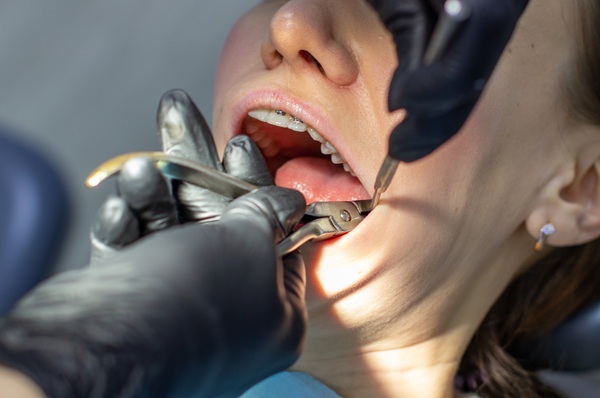
An orthodontic tooth extraction is a planned removal of one or more teeth to improve the outcome of braces or aligner treatment.
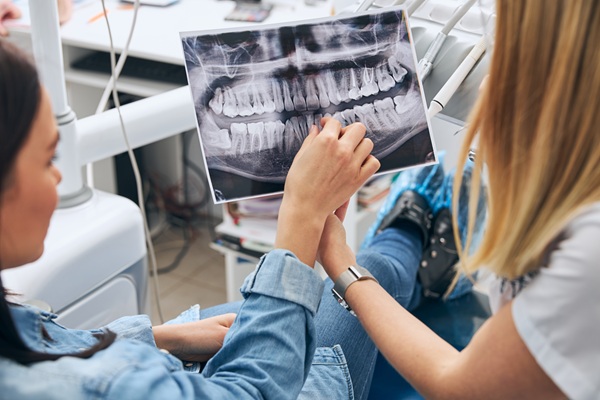
It is not performed casually like other tooth extractions. Before recommending extractions, your dentist or orthodontist will conduct:
- A comprehensive clinical examination
- Digital scans or impressions
- X-rays
- Bite assessment
- Facial profile evaluation
This allows a carefully designed orthodontic or braces treatment plan with extractions if required.
If you’re situated in Bellevue Hill, NSW or any suburb near it, Bellevue Hill Dental treatment recommendations are based on individual assessment and long-term oral health considerations.
Does Extraction Affect Face Profile?
This is one of the most common questions patients ask.
In appropriately selected cases, orthodontic extractions may actually help improve facial balance, particularly when teeth are significantly protrusive.
According to research, extraction treatment does not automatically flatten the facial profile when planned correctly. Outcomes depend on diagnosis, technique, and individual anatomy.
A thorough consultation helps determine whether extractions would enhance or compromise facial aesthetics in your specific case.
Alternatives to Orthodontic Extractions
Tooth extraction is not always necessary for anyone who thinks of getting their fixed braces or clear aligners.
Depending on your case, alternatives may include:
- Arch expansion
- Interproximal reduction (minor enamel reshaping)
- Growth modification in younger patients
- Clear aligner therapy
- Monitoring mild crowding
If your alignment concerns are minimal, extraction-free options may be suitable.
You may also wish to read our blog: Tips to Maintain Oral Health and Hygiene with Braces
This can help you understand how orthodontic care supports long-term dental health.
How Long After Extraction Can Braces Start?
In many cases, orthodontic treatment can begin shortly after healing has progressed, often within a few weeks, depending on the treatment plan.
Your dentist or orthodontist will assess:
- Healing progress
- Gum health
- Overall treatment timing
In some treatment approaches, braces may already be in place before extraction, and the extraction spaces are then used strategically during alignment.
Remember that each timeline is individualised, and consultation with a dentist is more helpful than just guesswork.
When Is Tooth Extraction Treatment Recommended?
Extraction as part of orthodontics may be recommended when:
- There is significant overcrowding
- Teeth are severely protruded
- Bite discrepancies cannot be corrected conservatively
- There is a risk of gum recession from excessive crowding
However, every case is unique. A qualified dental professional must assess suitability.
A Measured, Personalised Approach
If you’ve been advised to consider tooth extraction treatment for orthodontic reasons, it’s important to remember that this recommendation is based on creating a stable, healthy result, not simply straightening teeth quickly.
At Bellevue Hill Dental, we take a calm and comprehensive approach to orthodontic planning. We assess spacing, bite, facial balance, and long-term stability for all members of the family before recommending any extraction.
If you’d like to discuss your options or understand whether extractions for braces are necessary in your case, our team is here to guide you through every step.
Book an appointment to know better.
Frequently Asked Questions
1. Why would a healthy tooth be removed for orthodontic treatment?
A healthy tooth may be removed to create space for proper alignment when the dental arch is already full. In cases of moderate to severe overcrowding, extraction can help achieve a stable and balanced orthodontic result.
2. What is orthodontic tooth extraction?
Orthodontic tooth extraction is a planned removal of one or more teeth to improve the outcome of braces or clear aligner treatment. It is carefully assessed through examination, X-rays, bite analysis, and facial profile evaluation before being recommended.
3. When are extractions for braces usually recommended?
Tooth extraction treatment may be recommended when:
- There is significant overcrowding
- Teeth are severely protruded
- Bite discrepancies cannot be corrected conservatively
- There is a risk of gum recession from excessive crowding
Each case must be individually assessed by a qualified dentist.
4. What teeth are commonly removed for orthodontic reasons?
In moderate to severe overcrowding cases, premolar extraction orthodontics is often considered. Premolars are selected because they allow space to be created evenly while maintaining function and aesthetics.
5. Does tooth extraction affect face profile?
When carefully planned, orthodontic extractions do not automatically flatten the facial profile. In some cases, they may improve facial balance, particularly if teeth are significantly protrusive. A consultation helps determine suitability.
6. Are there alternatives to orthodontic extractions?
Yes. Depending on the case, alternatives may include:
- Arch expansion
- Interproximal reduction (minor enamel reshaping)
- Growth modification in younger patients
- Clear aligner therapy
- Monitoring mild crowding
Not all orthodontic treatment requires extractions.
7. How long after extraction can braces start?
Orthodontic treatment can often begin within a few weeks after extraction, depending on healing and the treatment plan. In some cases, braces may already be placed before the extraction procedure.
8. Is tooth extraction treatment always necessary for overcrowding?
No. Mild cases of crowding may be managed without extractions. A thorough consultation and assessment are required to determine the most appropriate approach.