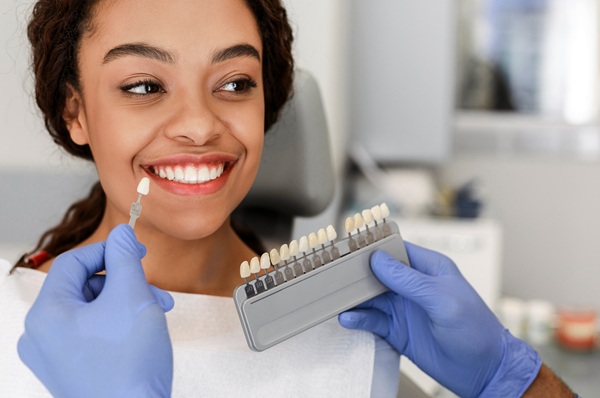
Cosmetic dentistry is continually evolving, but in 2025, Australians are gravitating towards veneers that look more natural, feel more comfortable and preserve more of their natural teeth. While porcelain veneers remain a popular choice, the overall focus has shifted toward subtle improvements rather than dramatic makeovers.
If you’re considering veneers, this guide outlines what Australians are choosing now, including look, materials, planning methods and long-term expectations, backed by current research from approved medical and scientific sources.
Are Flawless Teeth Out?
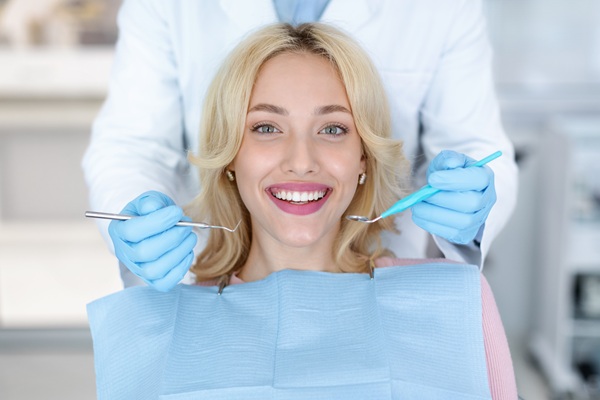
Across Australia, more patients are opting for smiles that still look like their teeth. Something that just looks healthier, brighter and more harmonious. In everyday practice, people often request results that match their facial features rather than extremely bright or uniform shades.
While personal preference always varies, the shift toward subtle, balanced cosmetic results reflects a growing interest in treatments that enhance the smile without appearing artificial. This preference is aesthetic rather than clinical, so it does not require research backing, but your dentist can always help you choose a shade and shape that suits your features naturally.
So, if you think that having flawless teeth trend is going out, it seems that it will still stay, depending on what patients prefer.
Natural-Looking Veneers Are Becoming the Top Choice
In 2025, it is seen that many Australians prefer veneers that blend seamlessly with their natural features. Instead of ultra-white or highly uniform designs, patients often choose balanced, believable shades that fit their complexion, facial structure and smile line.
This aligns with a broader shift toward minimally invasive, natural-aesthetic dentistry. In a research, patients reported higher satisfaction with veneers that maintain natural translucency and anatomy rather than overly bright, opaque materials.
You may still hear about shades like BL1 or BL2, but most patients in 2025 lean towards softer, more natural options such as A1 or A2, which blend better with facial features.
This is one reason why porcelain veneers remain a leading option for people wanting long-lasting, natural-looking cosmetic improvements.
Porcelain Veneers Are Leading the Way
When Australians research the “best veneers”, porcelain almost always comes up first, and for good reason. Porcelain veneers have a number of benefits for patients who are looking to improve the appearance of their teeth.
Porcelain veneers in 2025 offer:
- Highly natural translucency
- Strong, durable ceramic
- Excellent stain resistance
- Customisation to suit natural or bright aesthetics
- Long-term polish and shine
They remain one of the most popular choices for people looking for beautiful results that last.
Minimal-Prep & No-Prep Veneers Are Growing in Popularity
Another major trend this year is an interest in enamel-preserving veneers.
Minimal-prep or no-prep veneers are designed to keep as much natural tooth structure as possible. While they are not suitable for everyone, they can be a great option if your teeth already have a good shape and alignment.
Enamel preservation is one of the most important indicators of veneer longevity, which is why minimal-prep techniques are used more often in modern cosmetic dentistry when clinically suitable.
Digital Smile Design (DSD): A Major Planning Tool in 2025
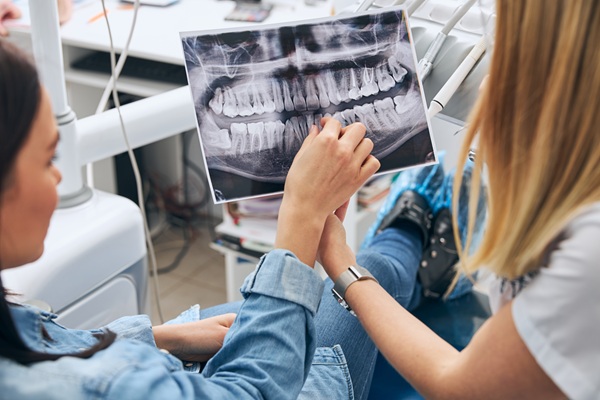
Digital Smile Design (DSD) is now one of the most valued planning tools used in cosmetic dentistry. It has become a key part of veneer planning, allowing both the dentist and patient to visualise the expected outcome before treatment begins.
In a research, digital planning improved the predictability of aesthetic treatments and patient satisfaction by providing a virtual preview before treatment began.
DSD allows your dentist to:
- Capture digital scans
- Map your smile in 3D
- Assess symmetry, proportions and alignment
- Plan each veneer’s shape and position
- Involve you in the design process
This approach gives you a clearer understanding of what your future smile may look like before any treatment starts.
Veneer Longevity and Failure Rates: What the Research Shows
Like any dental appliance, veneers may also fail if not maintained properly. A research actually showed that the most common causes of veneer failure included marginal defects, staining, fracture, and debonding. However, the overall failure rate was low when veneers were bonded to enamel and when patients maintained good oral hygiene.
By that, it means that veneers can last for a long time with proper oral hygiene and when patients follow their dentist’s recommendations.
Another research showed that:
- Veneers bonded to enamel had significantly lower failure rates
- Correct preparation design improved long-term success
- Regular reviews reduced complications
These studies reinforce the importance of technique, the dentist’s experience, and patient maintenance habits whenever they get veneers.
Discover How Veneers Can Help You
Veneers can enhance the colour, shape and proportions of your teeth while maintaining a natural look, especially when paired with enamel-preserving techniques and modern digital planning.
Regardless of whether you’re choosing a brighter shade or a more natural-looking one for your veneers, the best option is still to discuss with your dentist first whether this treatment is appropriate for you.
If you are considering veneers in 2025, don’t think too much about what’s trending. Ask yourself what you want, and get guidance from a qualified dentist. For veneers in Bellevue Hill, ask our team at Bellevue Hill Dental for more information.
Book a consultation today and discover more about veneers.
Frequently Asked Questions
1. Are natural-looking veneers becoming more popular in Australia?
Many patients now prefer veneers that look more natural, blending with their smile rather than appearing overly white or uniform. This reflects personal preference rather than clinical evidence, but it has become a common request in cosmetic dentistry.
2. How long do porcelain veneers last?
Porcelain veneers generally show strong long-term performance. Their longevity is influenced by factors such as bonding technique, enamel preservation, oral hygiene, and regular dental check-ups.
3. What is the difference between minimal-prep and no-prep veneers?
Minimal-prep veneers require a small amount of enamel smoothing, while no-prep veneers require little to no tooth reduction. Your dentist will assess whether your natural tooth shape allows for a conservative preparation approach.
4. Is Digital Smile Design (DSD) used for planning veneers?
Yes. DSD is widely used in modern cosmetic dentistry. It allows your dentist to plan veneer shape, symmetry and proportions digitally, giving you a preview of your expected result before treatment begins.
5. What causes veneers to fail over time?
Research indicates that veneer complications may include marginal defects, staining, fracture or debonding. These risks are reduced when veneers are bonded to enamel, designed appropriately, and maintained through regular dental care.
6. Are veneers suitable for everyone?
Veneers may be suitable for people wanting to improve the colour, shape or symmetry of their teeth. However, suitability depends on oral health, enamel quality, bite alignment and personal goals. A dental assessment is required to determine whether veneers are appropriate.
7. Should I follow veneer trends or choose what suits me?
Your smile should reflect your own preferences, not trends. Your dentist can guide you on shade, shape and treatment type to help achieve a natural, healthy and balanced result that aligns with your long-term goals.