Wisdom teeth are the final set of molars to develop, and for many people, they are also the most unpredictable. While some individuals never experience issues, others may notice discomfort, swelling, or pressure at the back of the mouth as these teeth begin to emerge.
If you’ve been wondering when wisdom teeth are a problem, or whether a certain age makes complications more likely, this guide will help you understand what’s typical and when to seek professional advice.
When Do Wisdom Teeth Come In?
Wisdom teeth, also known as third molars, usually erupt between the ages of 17 and 25. This period is often referred to as the typical wisdom teeth age range.
Third molars are the last teeth to erupt and commonly appear in late adolescence or early adulthood. Minor variations in timing are normal, and some people may experience the eruption slightly earlier or later.
However, an eruption does not always mean trouble. Some wisdom teeth grow in fully and function normally. Problems tend to arise when there is not enough space in the jaw to accommodate them.
Why is There Not Enough Space for Wisdom Teeth?
Today, our jaws simply don’t have enough room to accommodate an extra set of molars anymore. This is largely because of
- Evolutionary changes in jaw size — Many years ago, our ancestors had wisdom teeth that needed to grind through tough, raw food. Over time, diets have become softer and more processed. Because of that, the reduced chewing demands over generations are associated with smaller jaw development, while the number of teeth has remained the same.
- Genetic factors — You may inherit a smaller jaw from one parent and larger teeth from another.
- Existing tooth alignment — If your dental arch is already full, there may be no space left at the back.
- Delayed eruption timing — By the late teens, the jaw has typically stopped growing, leaving limited room for additional teeth.
When Are Wisdom Teeth a Problem?
Wisdom teeth often become problematic when they are:
- Impacted (trapped under the gum or bone)
- Partially erupted, allowing bacteria to collect
- Growing at an angle against neighbouring teeth
- Difficult to clean properly
Impacted wisdom teeth are the most common issue with growing third molars. In Australia, approximately 90% of adults experience this issue, and if teeth are not monitored, this may lead to inflammation, infection, or damage to adjacent teeth.
You may start to notice symptoms such as:
- Wisdom tooth pain in the back of the mouth
- Swelling around the gums
- Jaw discomfort
- Difficulty opening your mouth fully
- A bad taste or bad breath
These are signs that the tooth may not be erupting normally.
Impacted Wisdom Teeth Signs
We now understand that an impacted wisdom tooth occurs when there is not enough space for it to fully emerge. It may remain completely under the gum, partially erupt, or grow sideways.
Impacted third molars can contribute to:
- Gum inflammation
- Increased risk of decay in nearby teeth
- Cyst formation (in rare cases)
- Pericoronitis (infection around the wisdom tooth)
For a deeper look at why wisdom teeth become impacted and what signs to watch for, read our blog on How Does a Wisdom Tooth Get Impacted?
What Is Pericoronitis?
Pericoronitis is an infection that can occur when a wisdom tooth only partially erupts. A flap of gum tissue may trap food and bacteria, leading to swelling and tenderness.
Symptoms may include:
- Red, swollen gum at the back of the mouth
- Pain when chewing
- Swelling of the cheek
- Mild fever
If left untreated, the infection may worsen, so prompt dental assessment is recommended.
Do Wisdom Teeth Always Need Removal?
Not always.
While a growing wisdom tooth may likely be an issue, there are still cases where wisdom teeth:
- Erupt fully
- Are properly aligned
- Are easy to clean
- Do not damage neighbouring teeth
These don’t always have to be removed if this is the case for your situation, but it may simply be monitored over time.
However, removal may still be recommended when wisdom teeth are associated with repeated infection, decay, gum disease, cyst formation, or damage to adjacent teeth.
Each case should be assessed individually and properly with the help of a qualified dentist. Learn more in our article Debunking 5 Common Myths About Wisdom Teeth Extraction.
Wisdom Teeth Removal Age in Australia
There is not a single “correct” age for wisdom teeth extraction, but many removals occur between the late teens and mid-20s. Younger patients are said to experience smoother healing following extraction compared with later adulthood, although outcomes may still vary depending on individual health and tooth position.
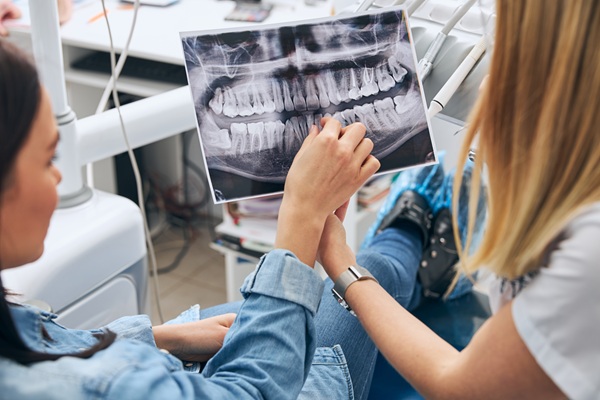
In Australia, dentists commonly assess wisdom teeth development in the late teenage years using clinical examination and radiographs to understand the situation of the growing tooth. Because of that, it is a reminder that early evaluation does not necessarily mean immediate removal. It simply allows for proactive planning if needed.
Your Wisdom Teeth Need Attention
Wisdom teeth often start developing in your late teens, but they don’t always cause problems. The key is knowing what to watch for, such as pain at the back of the mouth, swelling, recurring infections (like pericoronitis), or difficulty cleaning the area, and having the teeth assessed early so small issues don’t turn into bigger ones.
If you’re noticing discomfort or you would like to have your wisdom teeth monitored in Bellevue Hill, NSW, our team at Bellevue Hill Dental can help with a thorough assessment and personalised advice.
Talk to our team to know the best action for your wisdom teeth.
Frequently Asked Questions
1. At what age do wisdom teeth usually become a problem?
Wisdom teeth commonly begin erupting between 17 and 25 years old. Problems are more likely during this age range, particularly if there is not enough space in the jaw.
2. When do wisdom teeth come in?
Wisdom teeth, also known as third molars, typically erupt in the late teens or early twenties. However, eruption timing can vary slightly from person to person.
3. Why don’t jaws have enough space for wisdom teeth?
There are several reasons:
- Evolutionary changes have led to smaller jaws over time.
- Genetic factors may result in a smaller jaw and larger teeth.
- If your dental arch is already full, there may be no space left.
- By the late teens, jaw growth has usually stopped.
When space is limited, wisdom teeth may become impacted or grow at an angle.
4. What are the signs of impacted wisdom teeth?
Common impacted wisdom teeth signs include:
- Pain in the back of the mouth
- Swollen or inflamed gums
- Jaw discomfort
- Difficulty opening your mouth
- Bad breath or a bad taste
Impacted wisdom teeth are the most common issue with third molars.
5. What is pericoronitis?
Pericoronitis is an infection that occurs when a wisdom tooth partially erupts, and a flap of gum traps food and bacteria. Symptoms may include swelling, tenderness, cheek swelling, and mild fever.
6. Do wisdom teeth always need to be removed?
Not always. Wisdom teeth may not require removal if they:
- Erupt fully
- Are properly aligned
- Are easy to clean
- Do not damage neighbouring teeth
However, removal may be recommended if there is repeated infection, decay, gum disease, cyst formation, or damage to nearby teeth.
7. What is the typical wisdom teeth removal age in Australia?
There is no single “correct” age, but many wisdom teeth extractions occur between the late teens and mid-20s. Dentists often assess wisdom teeth during the late teenage years using clinical examination and X-rays.
8. When should I see a dentist about my wisdom teeth?
You should book an assessment if you notice:
- Persistent pain
- Swelling
- Recurrent infection
- Difficulty cleaning the area
- Changes at the back of the mouth
Early evaluation allows for monitoring and proactive planning if treatment becomes necessary.