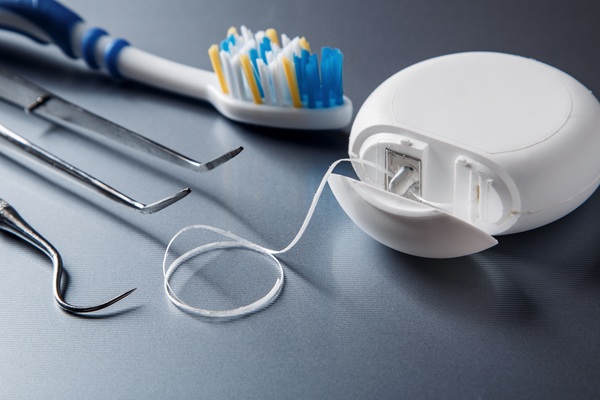
Many people choose dental floss as part of their daily oral hygiene routine without giving much thought to what it’s made from. In recent years, however, concerns have been raised about PFAS in dental flosses and their potential implications for health and the environment.
You may have seen headlines or product labels mentioning PFAS-free dental floss in Australia and wondered: what are PFAS, why are they used in dental floss, and should they be a concern?
Our blot here explains what PFAS are, how they relate to dental floss, and why awareness matters when making informed choices about everyday oral care products.
What Are PFAS?
PFAS stands for per- and polyfluoroalkyl substances, a large group of synthetic chemicals that have been used in various industries for decades.
According to the research, PFAS are valued for their ability to:
- Resist water and oils
- Reduce friction
- Increase durability
These properties have led to their use in non-stick cookware, stain-resistant fabrics, food packaging, and some personal care products.
One defining characteristic of PFAS is that they do not easily break down in the environment or the human body. For this reason, they are sometimes referred to as “forever chemicals.”
Why Are PFAS Found in Some Dental Flosses?
PFAS may be present in certain types of dental floss because of the smooth, glide-enhancing coatings applied to the floss fibres.
In some products, PFAS-based compounds are used to:
- Improve sliding between tight tooth contacts
- Reduce shredding or fraying
- Increase resistance to moisture
Not all dental floss contains PFAS, but some studies have identified fluorinated compounds in specific floss products, prompting questions about routine exposure through daily use.
Why Do PFAS in Dental Floss Matter?
Potential for Repeated Exposure
Dental floss is often used once or twice daily, which means even small amounts of exposure may occur regularly over long periods.
According to the research, PFAS can accumulate in the body over time. While dental floss is only one of many potential exposure sources, cumulative exposure from multiple products is an important consideration.
Wider Health and Environmental Concerns
PFAS have been associated, in broader health research, with potential effects on:
- Hormonal regulation
- Immune function
- Environmental contamination of water and soil
It is important to note that research continues to evolve, and not all PFAS behave in the same way. However, increasing awareness has led many consumers to seek PFAS-free dental floss in Australia as a precautionary choice.
Oral Health Perspective
From a dental standpoint, flossing remains essential for removing plaque and debris between teeth. The presence of PFAS does not negate the importance of flossing, but it does highlight the value of informed product selection.
Is PFAS-Free Dental Floss Available in Australia?
Yes. As awareness has grown, more brands have developed PFAS-free dental floss options that rely on alternative materials such as:
- Nylon or silk without fluorinated coatings
- Plant-based fibres
- Waxed flosses using natural waxes
PFAS-free dental floss in Australia is increasingly available through pharmacies, supermarkets, and eco-focused retailers.
When choosing a product, checking ingredient lists or manufacturer statements can help identify whether a floss is free from PFAS-related coatings.
Should You Stop Using Dental Floss?
No. According to the research, interdental cleaning remains a critical part of maintaining gum health and preventing tooth decay.
Rather than avoiding floss altogether, patients may consider:
- Switching to a PFAS-free dental floss
- Using interdental brushes where appropriate
- Discussing oral hygiene options with their dentist
The key is balancing effective plaque removal with informed product choices.
How Does Bellevue Hill Dental Approach Oral Hygiene Guidance?
At Bellevue Hill Dental, preventive care is central to long-term oral health. Our approach focuses on:
- Evidence-based oral hygiene recommendations
- Personalised advice based on your teeth and gums
- Supporting informed choices without unnecessary alarm
If you have concerns about dental floss materials or are unsure which products suit your needs, our team can help guide you toward options that support both oral health and personal preferences.
Practical Tips for Choosing Dental Floss
When selecting a dental floss, consider:
- Whether it fits comfortably between your teeth
- Ease of use and durability
- Clear labelling regarding PFAS or fluorinated compounds
- Recommendations from your dental professional
Consistency is just as important as the product itself. Regular flossing, combined with brushing and professional dental care, plays a vital role in maintaining healthy teeth and gums.
Looking at the Bigger Picture
The conversation around what are PFAS reflects a broader shift toward transparency and informed consumer choices in healthcare and everyday products.
While research into PFAS continues, awareness allows patients to make choices aligned with their values, without compromising essential oral hygiene habits.
Thinking About Your Oral Health Routine?
Oral health is about more than just teeth, it’s about long-term wellbeing, prevention, and personalised care. If you’d like guidance on flossing techniques, interdental cleaning options, or preventive dental care, our team at Bellevue Hill Dental is happy to help.
Book a consultation and let’s assess your oral health routine together.
Frequently Asked Questions
1. What is PFAS?
PFAS are synthetic chemicals used to make products resistant to water and friction. They are known for persisting in the environment and the body.
2. Why are PFAS used in some dental flosses?
They may be used to create a smoother glide and improve durability in certain floss coatings.
3. Is dental floss with PFAS unsafe?
Research is ongoing. While flossing remains essential, some people prefer PFAS-free dental floss to reduce potential long-term exposure.
4. Can I find PFAS-free dental floss in Australia?
Yes. Many brands now offer PFAS-free dental floss in Australia, using alternative materials and coatings.
5. Should I stop flossing because of PFAS concerns?
No. Flossing is important for gum and tooth health. Switching to a PFAS-free option may be considered instead.
6. Are there alternatives to traditional floss?
Yes. Interdental brushes, water flossers, and PFAS-free floss options may be suitable depending on your dental needs.
7. How do I know which floss is right for me?
A dental assessment can help determine the best interdental cleaning option for your teeth, gums, and oral health goals.