Orthodontic trends come and go, but some treatments stand the test of time. In recent years, many patients have asked an unexpected question: are metal braces making a comeback?
With the rise of clear aligners, metal braces never truly disappeared, but advances in orthodontic technology, changing attitudes, and a renewed focus on predictable outcomes have brought them back into the spotlight in Australia’s orthodontic landscape.
If you’re considering orthodontic treatment and wondering whether metal braces are still relevant in 2026, this guide explores metal braces treatment, including their pros and cons, costs in Australia, comfort, lifestyle considerations, and who they may suit best.
Why Are Metal Braces Gaining Attention Again?
Metal braces have evolved significantly from the bulky designs many people remember. Modern systems are:
- Smaller and more streamlined
- More comfortable than earlier generations
- Highly precise for controlled tooth movement
According to the research, fixed orthodontic appliances remain one of the most effective methods for managing complex tooth movement and bite correction, particularly where consistency and full-time force application are required.
At the same time, some patients are choosing metal braces deliberately, valuing reliability, efficiency, and long-term stability over discretion alone.
What Are Metal Braces?
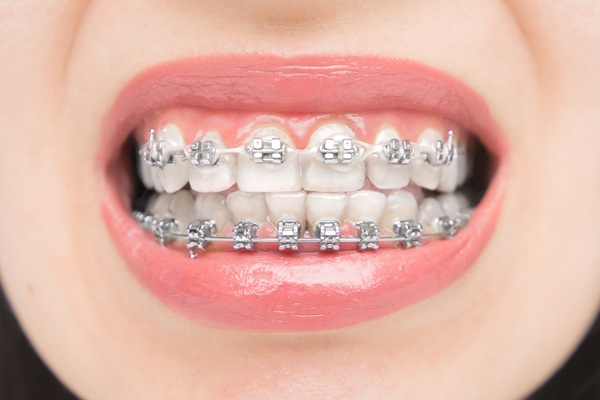
Metal braces are fixed orthodontic appliances made up of:
- Small metal brackets bonded to the teeth
- A thin archwire that guides tooth movement
- Elastic ties or self-ligating clips to hold the wire in place
Unlike removable aligners, metal braces remain on the teeth throughout treatment, applying constant pressure to gradually move teeth into alignment.
Metal Braces Pros and Cons
Pros of Metal Braces
Highly effective for complex cases
Metal braces are often recommended for:
- Severe crowding
- Significant bite issues (overbite, underbite, crossbite)
- Rotations and vertical tooth movements
- Cases involving extractions
According to research, fixed braces allow for precise, controlled adjustments that are difficult to replicate with removable appliances in complex situations.
No compliance concerns
Because metal braces are fixed, results do not depend on daily wear habits. This can be reassuring for:
- Teenagers
- Busy adults
- Patients who prefer a “set and forget” approach
Durable and reliable
Metal braces are strong and resistant to breakage, making them suitable for long-term orthodontic correction.
Often more cost-effective
In many cases, metal braces treatment is among the more affordable orthodontic options in Australia.
Cons of Metal Braces
Visibility
Metal braces are more noticeable than clear aligners or ceramic braces. While some patients enjoy personalising them with coloured elastics, others may prefer a subtler option.
Initial discomfort
Pressure and tenderness are common after placement and adjustments. This usually settles within a few days as the mouth adapts.
Dietary considerations
Hard, sticky, or chewy foods should be avoided to prevent damage to brackets and wires.
Extra care with cleaning
Brushing and flossing require more attention around brackets and wires to reduce plaque build-up.
How Long Does Metal Braces Treatment Take?
Treatment time varies depending on complexity. In general:
- Mild to moderate cases may take 12–18 months
- More complex cases may take 18–24 months or longer
According to the research, treatment duration depends more on the nature of tooth movement required than the appliance itself. Regular reviews and adjustments help ensure progress stays on track.
What Do Metal Braces Cost in Australia in 2026?
Costs can vary based on individual needs, treatment length, and complexity.
General cost range (AUD):
- Metal braces: approximately $5,000–$8,500
Ceramic or self-ligating options may sit at the higher end of this range. Your dentist will assess your teeth, bite, and goals before providing a personalised treatment plan and cost estimate.
Comfort, Lifestyle, and Day-to-Day Living
Comfort
Modern metal braces are designed with smoother edges and lighter forces. While mild discomfort is common initially, most patients adapt quickly.
Eating
You can eat most foods with care, but it’s best to avoid:
- Hard nuts
- Sticky lollies
- Chewy bread crusts
- Ice or hard confectionery
Cleaning
Excellent oral hygiene is essential. Tools such as interdental brushes and water flossers can make cleaning around braces easier and more effective.
Are Metal Braces More Stable Long Term?
Relapse can occur after any orthodontic treatment if retainers are not worn as advised.
Long-term stability may depend on:
- Proper retainer wear
- Ongoing dental reviews
- Individual bite and jaw factors
Metal braces themselves are not more or less likely to relapse, it is the retention phase that determines how well results are maintained.
Are Metal Braces Right for You?
Metal braces may be well suited if you:
- Have complex alignment or bite concerns
- Prefer a fixed option that does not rely on daily wear habits
- Are looking for a cost-effective and proven treatment
- Want predictable, controlled outcomes
At Bellevue Hill Dental, we take a personalised approach to orthodontic care. Your teeth, bite, lifestyle, and long-term goals are carefully assessed before any recommendation is made.
Thinking About Orthodontic Treatment?
Orthodontics isn’t about following trends, it’s about choosing the treatment that supports your oral health for years to come. Whether metal braces, clear aligners, or another option is right for you depends on careful assessment and tailored planning.
If you’re considering metal braces treatment in Bellevue Hill or the Eastern Suburbs, our team at Bellevue Hill Dental is here to guide you with clarity, experience, and personalised care.
Book a consultation with us and see if you may need metal braces today.
Frequently Asked Questions
1. Are metal braces really making a comeback?
Yes. Advances in design and their effectiveness for complex cases have renewed interest in metal braces, particularly among patients prioritising reliable outcomes.
2. How long does metal braces treatment usually take?
Most treatments range from 12–24 months, depending on the complexity of tooth movement and bite correction required.
3. Are metal braces cheaper than aligners?
Metal braces are often more cost-effective, with prices in Australia generally ranging from $5,000–$8,500, though costs vary by case.
4. Are metal braces painful?
Some discomfort is normal after adjustments, but this usually settles within a few days. Modern braces are designed to be more comfortable than older systems.
5. Do metal braces work better than aligners?
Neither is universally “better.” Metal braces may be preferred for complex movements, while aligners can suit mild to moderate cases. Suitability depends on individual assessment.
6. Will my teeth move back after metal braces?
Teeth can shift after any orthodontic treatment if retainers are not worn consistently. Retention is key to maintaining results long term.
7. How do I know if metal braces are right for me?
A professional dental assessment is the best way to determine suitability. Your dentist will consider your alignment, bite, lifestyle, and goals before recommending treatment.