
Many people brush their teeth twice a day, but they still experience dental problems. Why do you think that is?
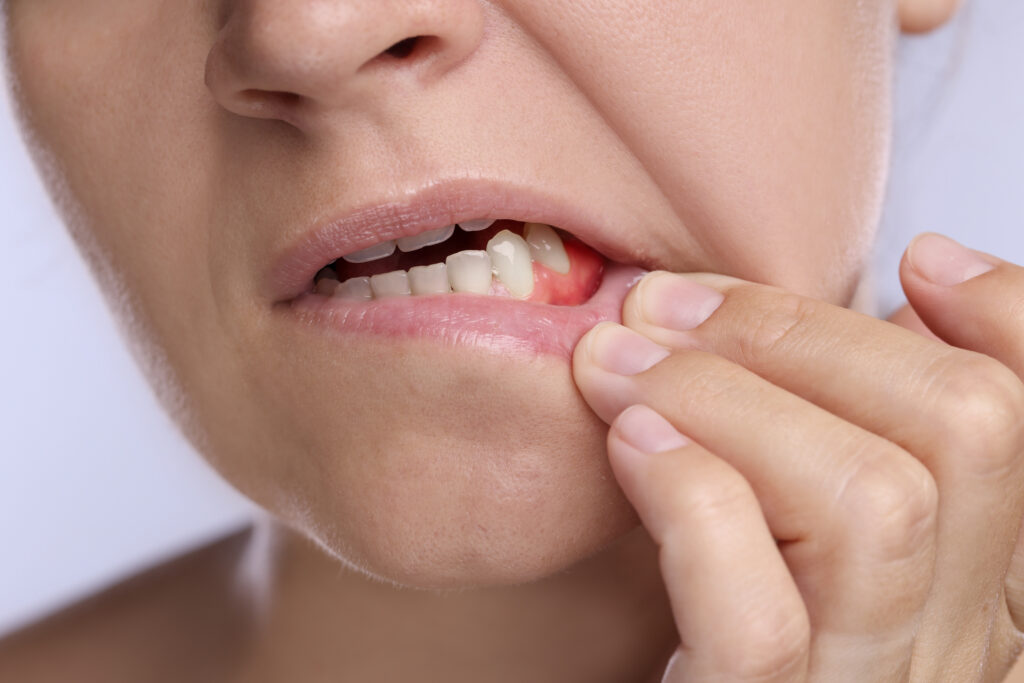
Often, the cause is not a lack of hygiene, but everyday habits that slowly affect teeth and gums over time. These habits may seem harmless at first, but when repeated regularly, they can lead to tooth enamel wear, gum disease, and other oral health concerns that can cause severe damage.
Understanding how daily behaviours impact your oral health is an important part of general dentistry. Below are five common habits that can quietly damage your teeth and gums, along with simple ways to reduce their effects.
1. Frequent Snacking Between Meals
Snacking throughout the day is common, but frequent eating can increase the risk of tooth decay. Every time you eat, bacteria in the mouth produce acids that attack tooth enamel. When this happens repeatedly, the enamel does not have enough time to recover.
Sugary and starchy snacks are especially problematic, as they feed harmful bacteria for longer periods. The World Health Organization (WHO) mentioned that frequent exposure to sugars increases the likelihood of dental caries, even when brushing is regular.
To help protect your teeth:
- Limit snacking between meals
- Choose tooth-friendly snacks such as cheese, nuts, or vegetables
- Drink water after eating to help wash away food particles
2. Brushing Too Hard or Using the Wrong Toothbrush
Brushing is essential, but brushing too hard can damage both teeth and gums. Many people think that using excessive force or a hard-bristled toothbrush can help clean teeth better than soft bristles. Unfortunately, that is only a myth. Using force or a hard-bristled toothbrush may damage teeth and gums and lead to enamel wear and gum recession over time.
This research even showed that aggressive brushing is associated with non-carious cervical lesions and gum recession, which may increase tooth sensitivity.
Once enamel is worn away, it does not regenerate. This makes gentle brushing technique especially important.
Helpful brushing tips include:
- Use a soft-bristled toothbrush
- Apply light pressure
- Brush using small, circular motions
3. Teeth Grinding and Clenching (Bruxism)
Many people grind or clench their teeth without realising it, especially during sleep or periods of stress. Over time, teeth grinding (bruxism) can cause cracks, worn teeth, jaw discomfort, and headaches.
According to Health Direct, untreated bruxism can result in tooth fractures, enamel loss, and damage to dental restorations.
Common signs of teeth grinding include:
- Flattened or chipped teeth
- Jaw soreness, particularly in the morning
- Facial muscle fatigue
A dentist may recommend a custom-fitted mouthguard to help reduce damage to teeth and gums during sleep.
4. Regular Consumption of Soft Drinks and Acidic Beverages
Soft drinks, sports drinks, and some fruit juices contain acids that weaken tooth enamel. This process, known as acid erosion, makes teeth more prone to sensitivity and decay.
Research has shown that frequent exposure to acidic drinks significantly increases the risk of enamel erosion, particularly when consumed slowly or between meals.
To reduce acid-related damage:
- Limit how often acidic drinks are consumed
- Use a straw to reduce contact with teeth
- Rinse with water afterwards
- Avoid brushing immediately after acidic drinks
5. Smoking and Its Effect on Gum Health
Smoking has a strong and well-documented link to gum disease. Tobacco use reduces blood flow to the gums, which can limit the body’s ability to fight infection and heal.
Health Direct even mentioned that smoking is one of the leading risk factors for gum disease and tooth loss. In addition, smoking can also hide early warning signs of gum disease, such as bleeding or swelling. This means gum disease may progress without noticeable symptoms, allowing more serious damage to develop before it is detected.
Effects of smoking on oral health include:
- Increased plaque and tartar buildup
- Higher risk of gum infection
- Delayed healing after dental treatment
Quitting smoking can improve gum health and reduce the risk of long-term dental complications.
Protecting Your Teeth and Gums Daily
While these habits are common, the good news is that small changes can make a meaningful difference. Maintaining good oral hygiene, attending regular dental check-ups, and being mindful of daily routines all play a role in protecting your teeth and gums.
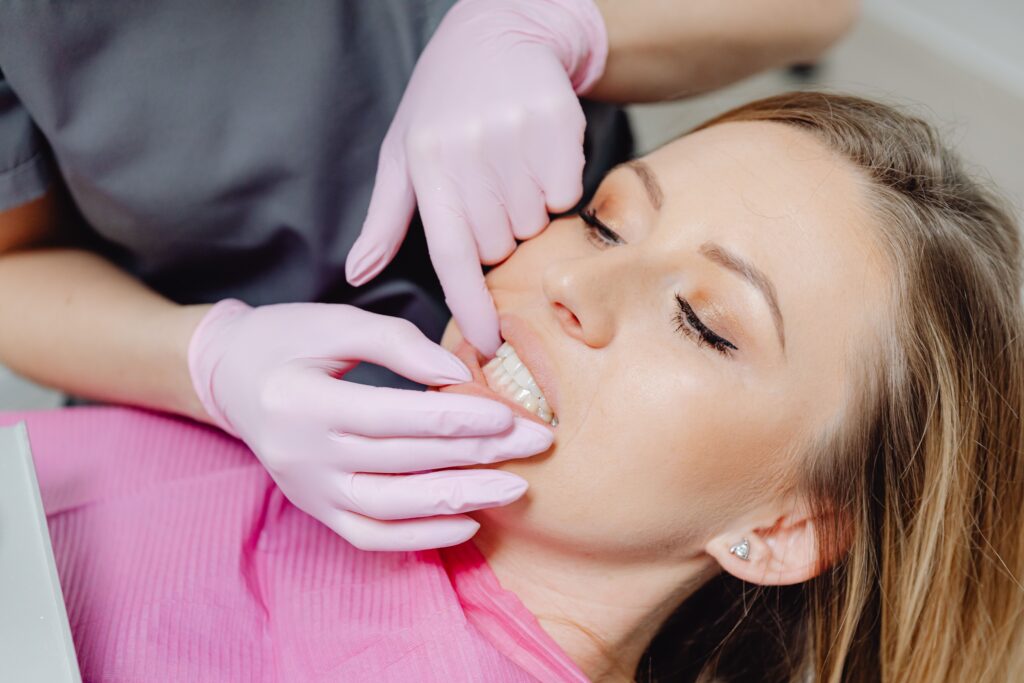
Regular dental visits help identify early signs of gum disease, enamel wear, and tooth decay before they progress into more complex problems. A general dentistry appointment allows your dentist to monitor your oral health, provide personalised advice, and support long-term dental wellbeing.
Supporting Long-Term Oral Health
Everyday habits can quietly affect your teeth and gums, often without immediate symptoms. Becoming aware of these behaviours and proactively taking action are important in preventing long-term dental issues.
This year, make sure to look after and support your oral health with timely appointments with your dentist. If you are concerned about your oral health or would like guidance on protecting your teeth and gums, the dental team at Bellevue Hill Dental offers comprehensive general dentistry care for all patients.
Consult our team by booking an appointment online or calling us at (02) 9389 4748.
Frequently Asked Questions
What are common everyday habits that damage teeth and gums?
Common habits include frequent snacking, brushing too hard, teeth grinding, drinking acidic beverages, and smoking. Over time, these behaviours can contribute to enamel wear, gum disease, and tooth decay, even if you brush twice a day.
Can brushing too hard really damage my teeth?
Yes. Brushing with excessive force or using a hard-bristle toothbrush can wear down tooth enamel and cause gum recession. Gentle brushing with a soft-bristled toothbrush is more effective and safer for long-term oral health.
How does teeth grinding affect oral health?
Teeth grinding, also known as bruxism, can lead to worn or cracked teeth, jaw discomfort, and headaches. Research shows that untreated bruxism may also damage existing dental restorations and increase tooth sensitivity.
Are soft drinks and acidic drinks harmful to teeth?
Yes. Soft drinks and other acidic beverages can weaken tooth enamel through acid erosion. Frequent exposure to acids increases the risk of enamel loss, making teeth more prone to decay and sensitivity.
How does smoking affect gum health?
Smoking reduces blood flow to the gums, making it harder for the body to fight infection and heal. Several research already proved that smoking is a major risk factor for gum disease and tooth loss, and may hide early warning signs such as bleeding gums.
How can general dentistry help protect my teeth and gums?
General dentistry focuses on prevention, early detection, and personalised care. Regular dental check-ups help identify early signs of tooth decay, gum disease, and enamel wear before they become more serious.
How often should I see a dentist for general dental care?
For most people, regular dental check-ups every six to twelve months are recommended. Your dentist may suggest a different schedule based on your individual oral health needs.