Most people don’t realise they have gum disease until it’s already progressed. That’s not because the signs aren’t there, but because they’re easy to dismiss.
A little bleeding when you brush.
Gums that look slightly different.
Bad breath that doesn’t seem to go away.
These things can feel minor, but they’re often your mouth’s way of telling you something needs attention, and it’s usually your gums.
The good news is that gum disease caught early is very manageable. Understanding the signs of gum disease is the first step.
What Is Gum Disease?
Gum disease is an infection of the tissues that surround and support your teeth. It’s caused by a build-up of plaque along and beneath the gum line. If plaque isn’t removed consistently, it hardens into calculus (tartar), which irritates the gum tissue and triggers inflammation.
What many don’t know is that gum disease develops in stages. Understanding the difference between gingivitis vs periodontitis helps explain why early detection matters so much.
- Gingivitis is the early stage of gum disease. The gums become red, swollen, and may bleed when you brush or floss. Crucially, at this stage, no permanent damage has occurred yet, and it is fully reversible with professional treatment and improved oral hygiene.
- Periodontitis is what happens when gingivitis is left untreated. The infection spreads deeper, damaging the bone and connective tissue that hold your teeth in place. Unlike gingivitis, bone loss from periodontitis cannot be reversed. It can only be managed and stabilised.
Early Signs of Gum Disease to Watch For
Knowing the gum disease early stages puts you in a much stronger position. Here’s what to look out for:
Bleeding Gums When Brushing or Flossing
This is one of the most common (and most dismissed) early gum disease symptoms. Many people assume their gums bleed because they brush too hard. While technique does play a role, healthy gums generally don’t bleed. Bleeding gums when brushing are a sign of inflammation, and inflammation is a sign of gum disease.
Swollen, Red, or Tender Gums
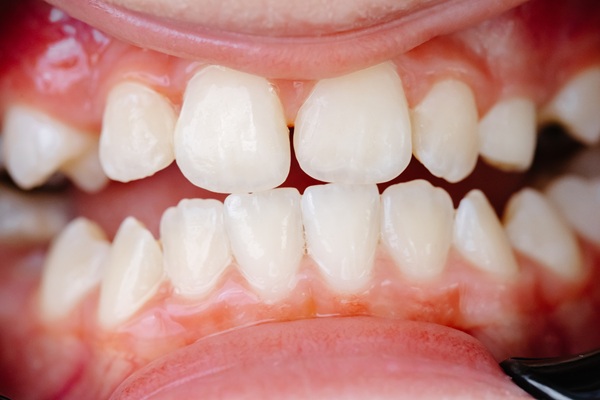
Healthy gum tissue is firm and pale pink. Swollen gums that appear red or purplish, feel tender to the touch, or seem puffier than usual are showing classic signs of gingivitis.
Persistent Bad Breath
Bad breath that doesn’t resolve with brushing and rinsing is often linked to the bacteria involved in gum disease. The bad breath-gum disease link is well established, since the same bacteria that damage gum tissue also produce the compounds responsible for chronic bad breath.
Receding Gums
If your teeth are starting to look longer, or you can feel a notch near the gum line, your gums may be pulling away from your teeth. Receding gums warning signs like these shouldn’t be ignored.
Gum recession exposes the more sensitive root surface and, if left untreated, can accelerate tooth loss.
Loose or Shifting Teeth
In more advanced stages, bone loss from periodontitis can cause teeth to feel loose or move slightly. This is a sign that the disease has progressed significantly and requires prompt treatment.
Also read: Can You Get Dental Implants if You Have Gum Disease?
Gum Disease Risk Factors in Australia
Gum disease is more widespread than many people realise. According to the Australian Institute of Health and Welfare, around 30% of Australian adults aged 15 and over had moderate or severe periodontitis in 2017–18. That’s roughly one in three adults living with advanced gum disease, many without knowing it.
Some patients are also at higher risk of developing gum disease regardless of how diligently they brush. Some gum disease risk factors in Australia include:
- Smoking — one of the most significant risk factors; smoking masks gum disease symptoms by reducing bleeding, making it harder to detect
- Diabetes — patients with poorly controlled blood sugar are more susceptible to gum infections
- Stress — chronic stress suppresses immune function, making it harder for the body to fight off oral bacteria
- Certain medications — some blood pressure medications and antihistamines reduce saliva flow, which increases bacterial build-up
- Genetics — some patients are simply more predisposed to gum disease, even with excellent oral hygiene
- Pregnancy — hormonal changes during pregnancy can exacerbate gum inflammation
How to Tell If You Have Gum Disease
The only way to know for certain is a professional examination. How to tell if you have gum disease at home is limited. You can notice the warning signs, but only a dentist can measure the depth of the gum pockets around your teeth and assess the extent of any bone loss.
But what does healthy gum tissue look like? Firm, pale pink, fitting snugly around each tooth with no swelling or bleeding.
If you’ve noticed any of the symptoms above, it’s worth booking an appointment sooner rather than later. The earlier gum disease is identified, the simpler and less invasive the treatment.
For a broader look at how everyday habits affect gum health, our blog on Five Everyday Habits That Quietly Damage Your Teeth and Gums is worth a read.
Don’t Wait Until It Gets Worse
Gum disease is progressive. It doesn’t resolve on its own, and it doesn’t stay mild forever. The earlier you act, the more straightforward the treatment. Whether you’re noticing early signs of gingivitis or you’re concerned something more serious may be developing, getting checked is always the right move.
If you suspect your oral health needs updated dental hygiene and professional cleans, our team at Bellevue Hill Dental provides thorough gum health assessments as part of every hygiene appointment, with personalised treatment plans for patients across Bellevue Hill and Sydney’s Eastern Suburbs.
Book a consultation with our team today to see if your teeth and gums are in good condition.
Frequently Asked Questions
Can gum disease go away on its own?
No, gum disease doesn’t resolve without treatment. Gingivitis can be reversed with professional cleaning and improved home care, but it won’t clear up on its own. Periodontitis requires ongoing professional management to prevent further progression.
Is it normal for gums to bleed when flossing?
Occasional bleeding when you first start flossing regularly can happen, but consistent bleeding is not normal. If your gums bleed every time you floss, it’s a sign of inflammation that should be assessed by your dentist.
How is gum disease treated?
Periodontal disease treatment depends on the stage. Early gum disease is treated with a professional scale and clean, and improved oral hygiene at home. More advanced cases may require deep cleaning (scaling and root planing) to clean below the gum line, and in some cases, further periodontal therapy.
Can gum disease affect my overall health?
Yes, multiple studies have already linked gum disease to an increased risk of cardiovascular disease, diabetes complications, and adverse pregnancy outcomes. Keeping your gums healthy is genuinely important for your overall wellbeing, not just your teeth.