
You’ve just had your teeth whitened, and your smile looks brighter than it has been. Naturally, the next question is: how long will this actually last?
It’s one of the most common questions we hear from patients, and the honest answer is that it depends on a few genuinely controllable factors. Here’s what the research says, and what you can do to make your results go the distance.
Does Teeth Whitening Last Forever?
No whitening treatment is permanent, regardless of whether it’s done in-chair, with trays or those bought over-the-counter. Teeth are also porous, which makes staining a natural, ongoing process. But “temporary” doesn’t automatically mean “short-lived” either.
A 5-year study on dental bleaching followed patients over five years. It found the whitening effect stayed noticeable the whole time, even though some gradual fading occurred. Some parts of the whitened shade held steady for years. Other parts faded a little sooner.
Similarly, a review of tooth whitening procedures points to research on tray-based bleaching lasting up to 90 months. That’s over seven years, under the right conditions.
So teeth whitening longevity is often much longer than people expect. If you want to enjoy the effects longer, it just takes a little care. Before you do, you also need to know what factors affect the results of the teeth whitening treatment.
What Affects How Long Your Results Last?
Several factors that affect teeth whitening results are worth understanding before you set your expectations:
- Your original tooth shade — teeth with more intense original staining tend to show a faster initial relapse than those with milder discolouration, simply because there’s a bigger gap to maintain
- The whitening method used — in-chair vs take-home whitening longevity is fairly similar overall, though each fades a little differently in the months following treatment
- Diet and lifestyle — staining foods and drinks like coffee, tea, red wine, and dark sauces gradually redeposit pigment onto the enamel over time, undoing progress bit by bit
- Smoking — teeth whitening and smoking don’t mix well; tobacco significantly accelerates staining and shortens how long your results hold, often more than any dietary factor
- Oral hygiene routine after whitening — consistent brushing and flossing slows the rate at which new surface staining builds up, keeping your results looking fresher for longer
In-Chair vs Take-Home Whitening: Which Lasts Longer?
This trips a lot of patients up, so let’s clear it up. A comparative study on whitening systems looked at both methods side by side. The study showed that take-home trays gave better results immediately after treatment. However, by the six-month mark, the gap between the two had narrowed significantly.
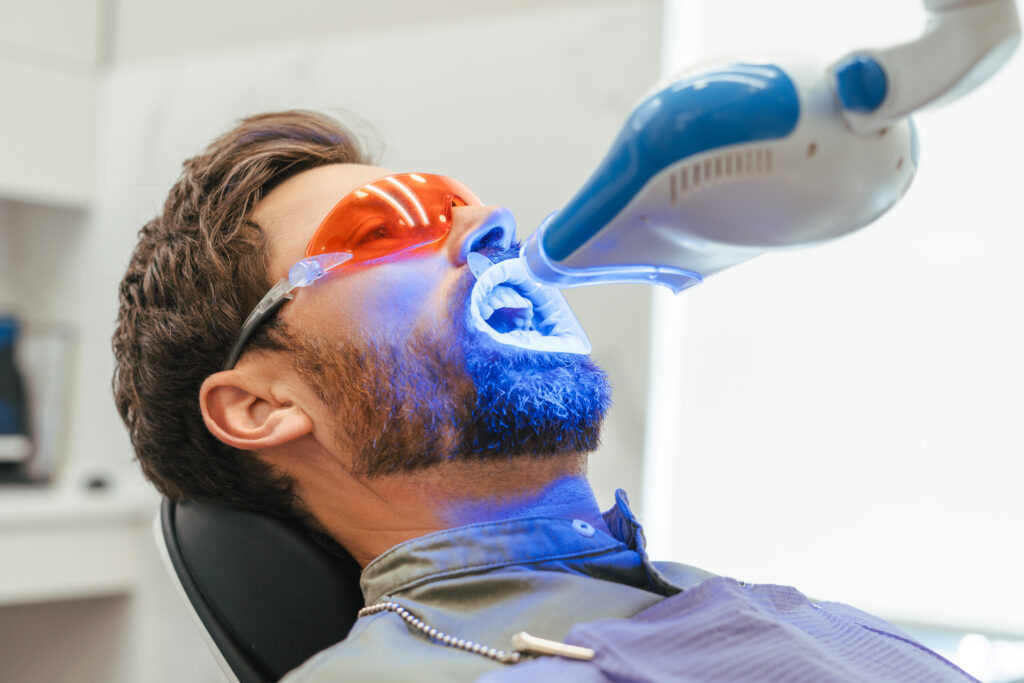
In practice, this means in-chair whitening gives you fast results. It’s also handy if you have an event coming up. On the other hand, take-home trays work more gradually, over a couple of weeks. Because both methods land in a similar place after a few months, your choice usually comes down to how quickly you want results, not which one lasts longer overall.
So, if you’re thinking about which among the two options would suit you better, a consultation with a qualified dentist can help. They can give a better understanding of the most appropriate options for your needs.
Also read: Zoom Teeth Whitening: How It Works and What to Expect in Sydney
How to Make Teeth Whitening Last Longer
Now that we’ve understood what factors affect the results of your teeth whitening treatment, here are a few tips you can follow to make it last longer. A few consistent habits go a long way toward maintaining a white smile:
- Wait before indulging — avoid strongly pigmented foods and drinks for the first 24 to 48 hours after treatment, while enamel is at its most porous and vulnerable to staining
- Rinse or use a straw — for coffee, tea, and red wine, a straw reduces direct contact with your front teeth, and rinsing with water afterwards helps too
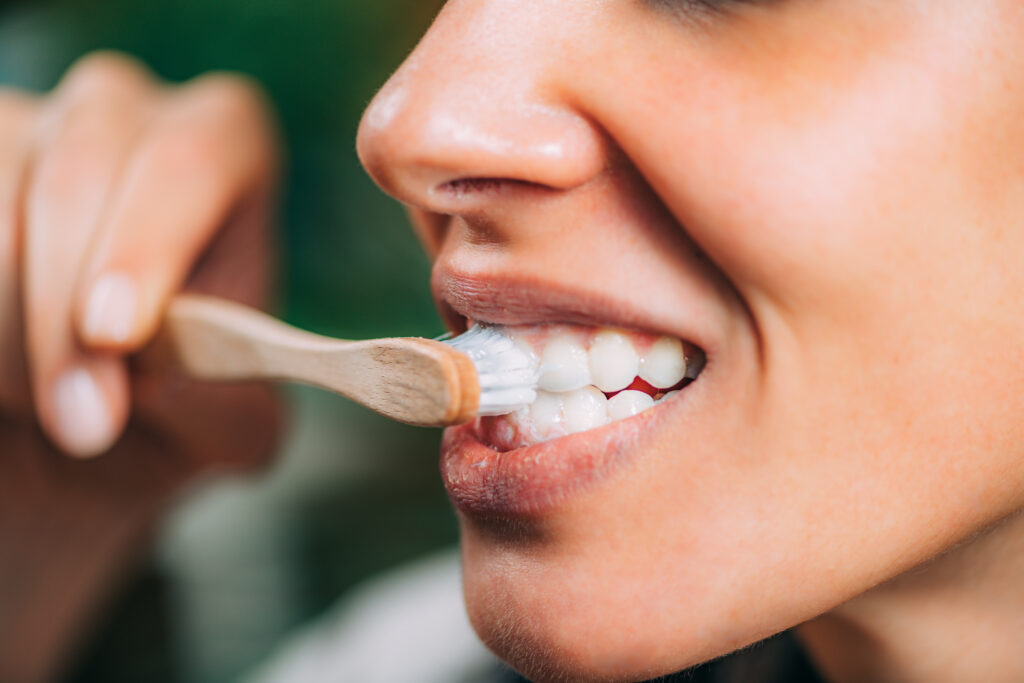
- Stick to your oral hygiene routine — brushing twice daily and flossing helps prevent new surface staining from building up between professional cleans
- Avoid smoking — one of the fastest ways to undo your results, regardless of how diligent you are with everything else
- Keep up with regular cleans — a professional scale and clean every six months removes surface staining before it has a chance to accumulate
- Consider a touch-up — a shorter, lower-strength whitening session every 6 to 12 months can help maintain your shade without needing a full treatment each time
Teeth Whitening Aftercare Tips for Eastern Suburbs Patients
Local life in Bellevue Hill, Bondi, Rose Bay, Double Bay, and Paddington often means plenty of coffee, brunch, and the odd glass of wine by the water. None of this means giving anything up. It simply means being a little more mindful in the days right after treatment.
For example, you might reach for a straw at brunch, or time your six-monthly clean around your coffee habit. Small swaps like these make a genuine difference over time, without disrupting your routine at all.
Keeping Your Smile Bright
Whitening results fade gradually. But with a few consistent habits, you can genuinely stretch that timeline further than you might expect. The research is reassuring: a bright smile can realistically last years, not just months, when it’s looked after properly.
At Bellevue Hill Dental, we offer both in-chair and take-home whitening options, plus regular touch-ups to help maintain your results over time. We care for patients across Bellevue Hill and Sydney’s Eastern Suburbs, from Bondi and Rose Bay to Double Bay and Paddington. Explore our teeth whitening treatment in Bellevue Hill to learn more.
Book a consultation with our team today to check which teeth whitening option suits you.
Frequently Asked Questions
How often should I get a teeth whitening touch-up?
Most patients benefit from a touch-up every 6 to 12 months, depending on diet, lifestyle, and how quickly their results fade. Your dentist can recommend a schedule based on your original shade and habits.
Does teeth whitening damage enamel over time?
Professional whitening, performed or supervised by a dentist, is considered safe for your enamel when done at appropriate intervals. Overuse of at-home or over-the-counter products without professional guidance carries more risk.
Why do my teeth look whiter right after treatment, then slightly less bright a few days later?
This is normal. Whitening temporarily dehydrates the enamel, making teeth appear especially bright immediately after treatment. As saliva restores normal hydration over 48 to 72 hours, the shade settles slightly. However, this isn’t a sign your results are failing. It’s just part of the stabilisation phase.
Will my whitening results last as long if I have coffee every day?
Daily coffee doesn’t mean your results won’t last. It just means being a little more mindful. Rinsing your mouth or using a straw after coffee, along with regular brushing, can significantly reduce how much staining redeposits over time.