Recovering from a wisdom tooth removal is usually straightforward. A little swelling, some tenderness, a few days of soft foods. For most people, things improve steadily from day one.
But for some patients, the pain doesn’t ease off. Instead, it gets worse a few days after the procedure. If that sounds familiar, dry socket may be the reason. What is it, and what are the symptoms you should look out for? Here’s a quick guide to help you get on top of things.
What Is Dry Socket?
Dry socket, also known as alveolar osteitis, is a complication that can occur after a tooth extraction. Under normal circumstances, a blood clot forms in the socket (the hole left behind by the tooth) shortly after the procedure. This clot acts as a protective covering over the exposed bone and nerve endings and plays an important role in the early healing process.
Dry socket occurs when that blood clot is dislodged, dissolves prematurely, or fails to form in the first place. Without the clot in place, the underlying bone and nerves are left exposed to air, food, and bacteria, which is what causes the distinctive, often intense pain associated with the condition.
Dry socket is one of the more common tooth extraction complications that happens most frequently following wisdom tooth removal, particularly the lower wisdom teeth.
What Does a Dry Socket Look Like?
This is one of the first questions patients ask, which is also a reasonable one. What does a dry socket look like compared to a normally healing socket?
A healthy extraction site will have a dark red or deep maroon blood clot sitting in the socket, with the surrounding gum gradually closing over it in the days following the procedure.
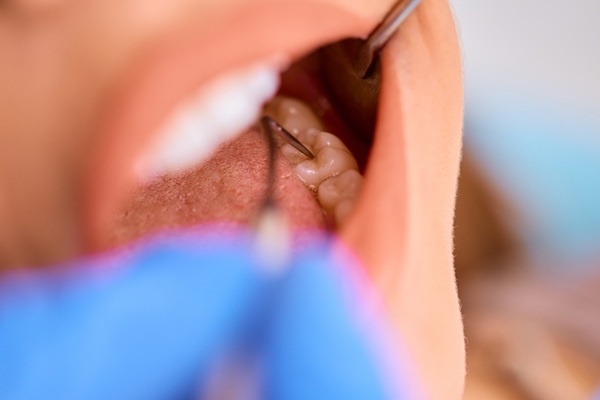
With dry socket, you’ll typically see an empty-looking socket.
That means the clot is absent, and the bone inside may be visible. The socket may appear whitish or greyish rather than the healthy dark red you would expect. The area around it is often inflamed, and there may be debris or food particles sitting in the opening.
If you’re unsure what you’re looking at, the pain is usually a very reliable indicator.
How Do I Know If I Have a Dry Socket?
The key signs of dry socket after extraction include:
- Severe, throbbing pain that begins two to four days after the extraction. Instead of improving, the pain intensifies
- Pain that radiates from the socket up to the ear, eye, temple, or neck on the same side of the face
- A visible empty socket — you can see bone rather than a dark blood clot when you look in the mirror
- Bad breath or an unpleasant taste in the mouth that doesn’t go away with rinsing
- Mild fever in some cases, though this is less common
The timing is one of the clearest distinguishing factors when comparing wisdom tooth extraction dry socket vs normal healing. Normal post-extraction discomfort peaks in the first 24 to 48 hours and then steadily improves.
With dry socket, pain either plateaus or worsens after day two or three.
Also read: Can You Get Dental Implants if You Have Gum Disease?
What Causes Dry Socket?
Several factors can interfere with blood clot formation or stability after a tooth extraction:
- Sucking actions — drinking through a straw, smoking, or vigorous rinsing in the days after extraction can dislodge the clot
- Smoking — nicotine reduces blood supply to the area and significantly increases the risk of dry socket; it’s one of the strongest risk factors
- Oral contraceptives — higher oestrogen levels may interfere with normal clotting
- Poor oral hygiene — bacteria in the mouth can break down the clot before it has a chance to stabilise
- Difficult or traumatic extractions — complex surgical removals, such as impacted lower wisdom teeth, carry a higher risk
- Previous dry socket — patients who have experienced it before are more likely to experience it again
How Long Does Dry Socket Last?
Without treatment, dry socket can be quite uncomfortable for seven to ten days or more. But with prompt professional treatment, pain usually begins to ease within a day or two of your appointment.
Most cases resolve fully within one to two weeks, though bone remodelling in the socket continues for several months. Remember also that healing can vary from person to person.
Dry Socket Treatment: What Your Dentist Will Do
If you suspect dry socket, contact your dentist as soon as possible because this is not something to wait out at home. Dry socket pain treatment at the dental clinic typically involves:
- Gently cleaning the socket — the dentist will flush the area to remove any food debris or bacteria
- Medicated dressing — a soothing, medicated paste (often containing clove oil, which has natural analgesic properties) is placed directly into the socket; this provides significant pain relief and protects the exposed bone while the area heals
- Repeat dressing changes — the dressing may need to be replaced every one to two days until the socket begins to heal
- Pain relief guidance — your dentist will advise on appropriate over-the-counter pain relief to use between appointments
Antibiotics are not routinely prescribed for dry socket unless there are signs of infection.
Dry Socket Home Remedy: What Helps and What to Avoid
While professional treatment is always the right first step, there are a few things you can do at home to manage discomfort while you wait for your appointment:
- Clove oil for dry socket — a small amount of clove oil on a piece of sterile gauze placed gently over the socket can provide temporary relief. Use sparingly and avoid direct contact with surrounding gum tissue
- Saltwater rinse — a gentle warm saltwater rinse can help keep the area clean; do not rinse vigorously
- Over-the-counter pain relief — ibuprofen and paracetamol can help manage pain; follow the dosage instructions on the packet
- Avoid smoking and straws — continuing these habits will delay healing significantly
- Eat soft foods — avoid anything that could lodge in the socket or require vigorous chewing
If you’re wondering, “can dry socket heal on its own?
Technically, yes, eventually, but the pain involved makes waiting without treatment unnecessarily difficult, and the risk of secondary infection increases the longer the bone remains exposed. Always see your dentist when this happens.
How to Prevent Dry Socket After Tooth Extraction
The good news is that dry socket is largely preventable with the right aftercare. Here’s how to prevent dry socket after tooth extraction:
- Avoid smoking for at least 72 hours — ideally longer
- Don’t use straws for the first week
- Avoid vigorous rinsing or spitting in the first 24 hours
- Eat soft foods on the side opposite the extraction site
- Take prescribed medications as directed
- Follow your dentist’s aftercare instructions carefully. At Bellevue Hill Dental, we provide detailed written post-operative guidance for every extraction patient
Take Care of Your Recovery
Dry socket is uncomfortable, but it’s also very manageable when caught early. The most important thing is not to wait it out. If your pain is worsening rather than improving a few days after your extraction, that’s your cue to call us.
If you’re also due for a wisdom teeth extraction and are anxious about having dry socket, our team at Bellevue Hill Dental is here to help you if something doesn’t feel right during your recovery.
Book a consultation with us to be guided by qualified dental service providers.
Frequently Asked Questions
How soon after extraction can dry socket develop?
Dry socket typically develops two to four days after the extraction. This is when the blood clot is most vulnerable to dislodging or breaking down. It rarely occurs after the first week.
Is dry socket more common after wisdom tooth removal?
Yes, dry socket during post-wisdom teeth removal is significantly more common than after other types of extractions, particularly for lower wisdom teeth. This is due to the density of the surrounding bone, the complexity of the extraction, and the difficulty in keeping the area clean during recovery.
Can I eat normally if I have dry socket?
It’s best to continue with soft foods while the socket is healing. Avoid anything hard, crunchy, or small-grained (like rice or seeds) that could lodge in the socket. Chew on the opposite side wherever possible and rinse gently after eating.
Will I need antibiotics for dry socket?
Not usually. Dry socket is not an infection, but an issue with the healing process. Antibiotics are only prescribed if there are signs of a secondary bacterial infection alongside the dry socket. Your dentist will assess this at your appointment.