If you’ve been told you snore loudly or you’re waking up exhausted despite a full night’s sleep, that may not be just a snoring issue. That may be sleep apnoea. Snoring and sleep apnoea are far more common than most people realise, and far more manageable than many expect.
If you’re already aware of sleep apnoea and are considering getting treatment, you may have already come across the term mandibular advancement splint as a potential solution.
But if you’re not sure what it actually involves or whether it’s suited to your situation, this guide will walk you through everything you need to know.
What Is a Mandibular Advancement Splint?
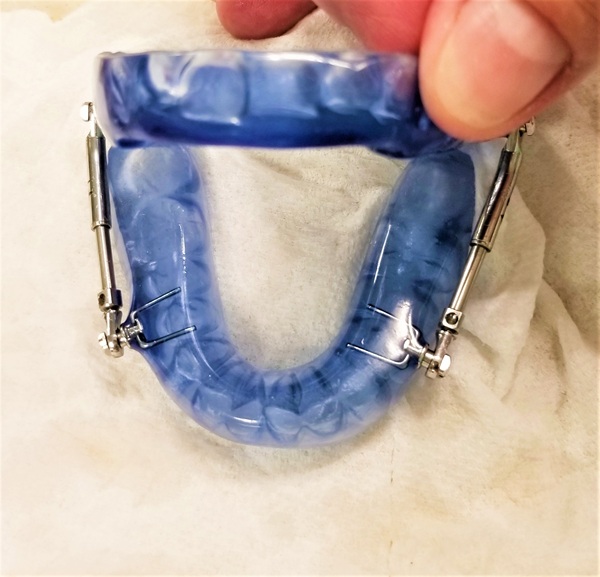
A mandibular advancement splint (MAS) is a custom-fitted oral appliance worn during sleep. It works by gently holding your lower jaw in a slightly forward position, which prevents the soft tissues at the back of the throat from collapsing into the airway.
This is the root cause of most snoring and obstructive sleep apnoea (OSA), where the tongue and soft palate relax during sleep, partially blocking airflow and producing that familiar vibration we recognise as snoring. By repositioning the jaw, a mandibular advancement splint for sleep apnoea helps keep the airway open throughout the night.
Who Is It For?
A mandibular advancement splint is typically recommended for patients with:
- Primary snoring — loud snoring without a formal OSA diagnosis
- Mild to moderate obstructive sleep apnoea — where a dental appliance is a well-established first-line treatment
- CPAP intolerance — patients who have tried CPAP and cannot tolerate the mask; a mandibular advancement splint is a widely used CPAP alternative in Australia
- Patients wanting a portable, low-maintenance option — no machine, no power source, easy to travel with
However, it’s not that fast to get a mandibular advancement splint. A formal sleep study diagnosis is required before oral appliance therapy for sleep apnoea can be appropriately recommended.
If you haven’t had one, your GP can arrange a referral.
Custom Splint vs Over-the-Counter Options
You may have seen anti-snoring mouthguards available at the chemist. A mandibular advancement splint from Chemist Warehouse or similar retailers uses a boil-and-bite format, where you boil a strip of material to loosen it and bite to “form” your teeth.
Unfortunately, this just results in a rough approximation of your bite that can’t be precisely adjusted and is not appropriate for managing diagnosed sleep apnoea.
A mandibular advancement splint from a dentist is fabricated from detailed impressions or digital scans of your teeth, fitted precisely to your bite, and adjusted systematically over time. This titration process, which is the process of gradually increasing the degree of jaw advancement, is what allows the device to be tuned to your anatomy for reliable, lasting results.
At Bellevue Hill Dental, we offer custom-fitted mandibular advancement devices designed to reposition your jaw precisely and comfortably, with the option to combine with CPAP therapy for patients who need a more advanced approach.
Also read: General Dentistry: Five Everyday Habits That Quietly Damage Your Teeth and Gums
What Are the Side Effects of a Mandibular Advancement Splint?
Most patients tolerate a mandibular advancement splint well, particularly once the adjustment period has passed. TMJ and mandibular advancement device side effects can include:
- Initial jaw soreness or muscle tenderness — common in the first few weeks as your jaw adapts to sleeping in a new position; this typically settles after a few times of using it
- Tooth sensitivity or minor discomfort — usually temporary and resolves as you adjust
- Increased saliva production or dry mouth — both are common initially and tend to improve
- Jaw stiffness in the morning — gentle jaw exercises on waking can help; your dentist will guide you on this
- Minor tooth movement — with long-term use, some patients notice very subtle changes to their bite; regular dental monitoring helps detect and manage this early
Serious side effects are uncommon with well-fitted, properly monitored devices. In case there are, it’s best to reach out to your dentist right away. Your dentist will also review the fit and your response to treatment at follow-up appointments.
Mandibular Advancement Splint Cost in Australia
Mandibular advancement splint costs in Australia vary depending on the device type and the complexity of your case.
Some private health funds may cover dental sleep appliances under major dental extras. Check your policy to know whether they can cover it for you. A referral letter from your GP or sleep physician may support your claim.
Don’t Let Poor Sleep Hold You Back
If snoring or disrupted sleep is affecting your quality of life, a mandibular advancement splint dentist assessment is a sensible first step. At Bellevue Hill Dental, we offer sleep apnoea and snoring treatment, where we can provide custom sleep appliance treatment for patients across Sydney’s Eastern Suburbs, from Bondi and Rose Bay to Double Bay and Paddington.
To learn more about how you can address your snoring and sleep apnoea, book an appointment with our team today.
Frequently Asked Questions
Do I need a sleep study before getting a mandibular advancement splint?
Yes, a formal diagnosis is required before oral appliance therapy can be appropriately recommended. Your GP can arrange a referral for you to get assistance. You may be advised to start with a home sleep test, as this is increasingly available as a first step.
How long does it take to get used to wearing one?
Most patients adapt within two to four weeks. Initial jaw soreness and excess saliva are common early on but typically settle as your muscles adjust.
Can I use one if I have crowns or bridges?
In many cases, yes, but suitability depends on the extent and location of your dental work. Your dentist will assess this at your initial consultation.
How long does a mandibular advancement splint last?
With proper care, a custom device typically lasts two to five years. Regular dental check-ups allow your dentist to monitor the fit and advise when replacement is needed.