If you’ve been told you need braces or you’re looking into orthodontic treatment for the first time, you have probably already noticed there’s more than one option. Clear braces and metal braces both straighten teeth effectively, but they work in slightly different ways and suit different patients.
So how do you know which one is right for you? Understanding the key differences is a good place to start.
What Are Metal Braces?
Metal braces are the most traditional form of orthodontic treatment, and despite being around for decades, they remain one of the most widely used options today. So what are metal braces, exactly?
Traditional metal braces consist of small metal brackets bonded to the front of each tooth, connected by a thin wire that runs across the arch. Your orthodontist or dentist adjusts the wire at regular intervals, gradually guiding your teeth into the correct position over time.
Metal braces are highly effective for a wide range of orthodontic issues, from mildly crowded teeth to more complex bite problems. They are also the most durable option, making them a reliable choice for patients who need comprehensive treatment.
If you’d like to understand more about what’s driving renewed interest in traditional braces, our blog on The Comeback of Braces: Why More Adults Are Choosing Metal Over Aligners covers the topic in depth.
What Are Clear Braces?
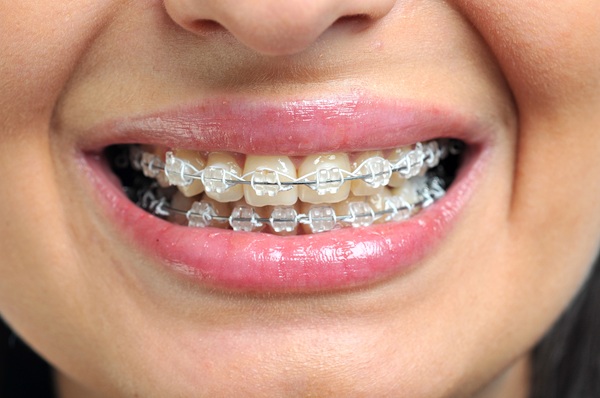
Clear braces, also known as ceramic braces, work in exactly the same way as metal braces, but with one key difference: the brackets are made from a tooth-coloured or clear ceramic material instead of metal. The wire may also be tooth-coloured in some cases.
The result is a much less noticeable appliance. From a distance, ceramic braces are significantly harder to spot than their metal counterparts, which makes them a popular choice among teens and adults who are conscious about the look of their treatment.
Clear braces offer many of the same advantages as metal braces. Like traditional ones, they are also fixed to the teeth, work continuously, and can treat a similar range of orthodontic issues.
However, they do require a little more care to keep them looking their best throughout treatment.
Clear Braces vs Metal Braces: Key Differences
Here’s a straightforward comparison to help you understand how the two options stack up:
Appearance
This is the most obvious difference. Metal braces are visible; the brackets and wire are clearly noticeable when you smile or speak. Clear braces are far more discreet, blending in with the natural colour of your teeth. For many patients, particularly adults in professional environments, this is the deciding factor.
Durability
Metal braces are generally more durable than ceramic. The brackets are less prone to chipping or cracking under pressure. Ceramic brackets, while strong, can be more fragile, particularly if you play contact sports or have habits like nail-biting.
Comfort
Both types of braces can cause some initial discomfort as your teeth begin to move, and both may cause minor irritation to the inside of your cheeks. Some patients find that ceramic brackets feel slightly smoother, though individual experiences may still vary.
Cleaning and Care With Braces
Cleaning and care with braces is important regardless of which type you choose. But clear braces require a bit of extra attention. Ceramic brackets can stain if you regularly consume coffee, tea, red wine, or heavily pigmented foods. Brushing thoroughly after meals and being mindful of what you eat and drink will help keep your clear braces looking fresh throughout treatment.
Also read: Aligners vs. Braces: Which Is Faster, Cheaper, and Less Likely to Relapse?
Braces Cost Comparison in Australia
Cost is often a practical consideration for patients weighing up their options. As a general guide for braces cost comparison in Australia, metal braces tend to be the more affordable of the two fixed options. Ceramic braces typically cost more due to the materials involved. The exact difference varies depending on the complexity of your treatment and the clinic you attend.
It’s worth noting that both types of braces are generally more cost-effective than clear aligners for complex orthodontic cases. Your dentist or orthodontist will be able to give you a clear picture of costs at your consultation.
Braces for Teens and Adults: Who Is Each Option Best For?
Both options are suitable for braces for teens and adults. The right choice really comes down to your individual needs, lifestyle, and priorities.
Metal braces may be the better fit if you:
- Are treating a more complex orthodontic case
- Want the most durable and cost-effective fixed option
- Are less concerned about the visibility of your appliance
- Play contact sports regularly
Clear braces may be the better fit if you:
- Want a more discreet appearance during treatment
- Are an adult in a professional or social environment where aesthetics matter
- Are committed to the extra care required to prevent staining
- Have a straightforward to moderate orthodontic case
However, while this can be a general guideline, it’s still best to check with your dentist to know exactly which of the two options is suitable for you.
For a deeper look at how fixed braces compare to removable aligners, our blog on Are Metal Braces Really Back? Pros, Cons, and Costs in Australia’s 2026 Orthodontic Scene is well worth reading before your consultation.
Finding the Right Fit for Your Smile
Choosing between clear braces vs metal braces does not have to be complicated, but it does help to have an experienced team walking you through the options based on your specific teeth, bite, and lifestyle.
At Bellevue Hill Dental, we offer various options for dental braces. Our team takes the time to carry out a thorough assessment and walk you through each option clearly, so you feel confident in whatever path you choose.
Book a consultation today, and let’s find the right solution for your smile.
Frequently Asked Questions
How long do clear and metal braces take to work?
Treatment time depends on the complexity of your case more than the type of braces. On average, most patients wear braces for 18 months to two years. Your dentist will give you a more tailored timeline after a thorough assessment of your teeth and bite.
Do clear braces stain easily?
The ceramic brackets themselves don’t stain, but the elastic ties that hold the wire in place can discolour over time, especially with staining food and drinks like coffee, tea, or certain foods. These ties are replaced at each adjustment appointment, so any staining is temporary. Brushing consistently and rinsing after meals helps minimise the issue.
Can clear braces fix the same problems as metal braces?
In most cases, yes. Ceramic braces can treat crowded teeth, gaps, and many bite issues just as effectively as metal braces.
However, for very complex cases, particularly those involving significant jaw misalignment, your dentist may recommend metal braces or a combination approach for the best outcome.
Are braces or clear aligners better for my situation?
This really depends on your specific orthodontic needs. Fixed braces (metal or ceramic) tend to be more effective for complex cases, while clear aligners offer flexibility and near-invisibility for mild to moderate issues.
Our blog on Clear Aligners in 2025: Can They Handle Tougher Cases? explores this question in more detail. Your dentist will help you weigh up the options at your consultation.