Quick answer
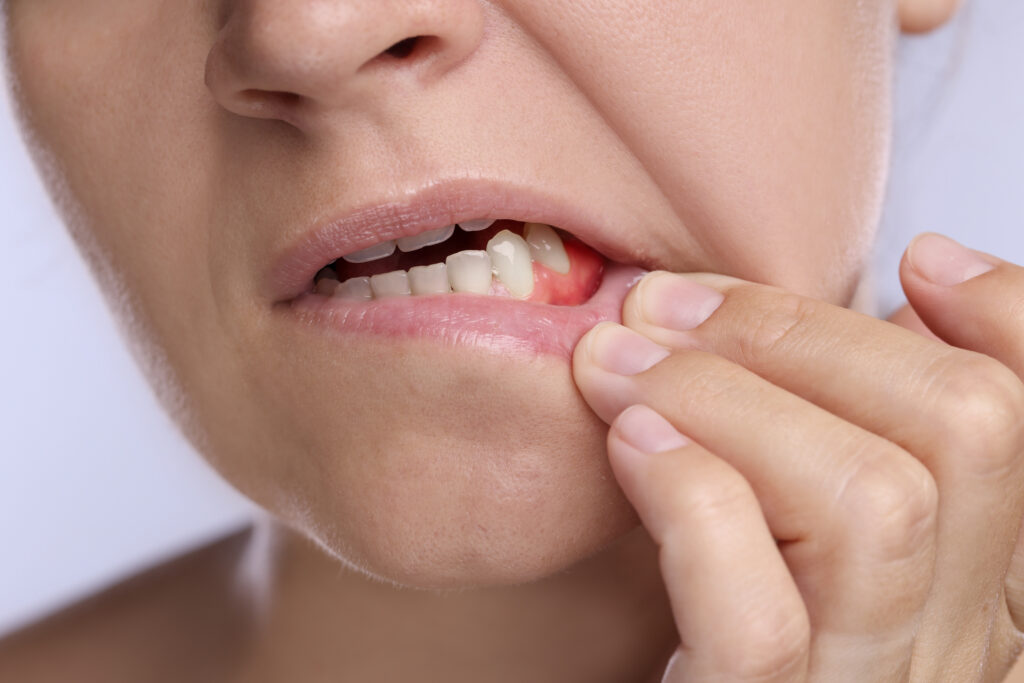
Losing a molar, even one that sits out of sight at the back of the mouth, has lasting consequences for your bite, jaw, and remaining teeth. Without replacement, the adjacent and opposing teeth gradually drift and tilt, the jawbone begins to resorb, and chewing function is compromised.
The good news: there are reliable replacement options, including dental implants, bridges, and partial dentures, each with different cost, timeline, and longevity profiles.
It’s easy to dismiss a missing back molar, especially when nobody sees it and the discomfort from the extraction has passed. But the consequences of leaving that space unfilled develop slowly and compound over time, affecting teeth that were previously healthy.
What are molars and why do they matter?
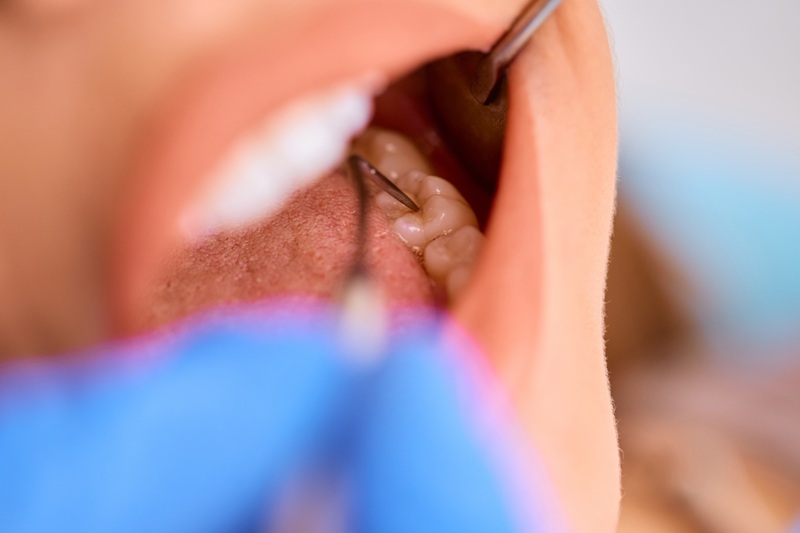
Molars are the large, flat teeth at the back of your mouth. You have six (three per side, upper and lower) plus the third molars (wisdom teeth), which not everyone has or keeps. The first molars typically erupt around age six and are often the first permanent teeth to be lost to decay. Second molars erupt around age twelve.
Here’s the thing most people don’t realise: your molars do roughly 90% of the chewing work in your mouth. They are built to handle serious force, as we typically use them for grinding through tougher foods. When one of them goes missing, that workload does not disappear, but just gets shifted to teeth that were not designed for the job.
What happens to your mouth when you lose a molar?
1. Teeth drift and tilt
Each tooth in your mouth stays where it is partly because its neighbours hold it in place. When a molar is removed and not replaced, the teeth on either side gradually lean into the gap, and the tooth above (or below) starts to grow out of its socket, looking for the contact it has lost.
This drifting can start within months of the extraction and creates uneven contact points across your bite, which leads to faster wear on teeth that are now carrying an awkward load
2. Bone loss begins
Your jawbone needs the gentle pressure of tooth roots to stay strong and dense. When a tooth is removed, that pressure stops, and the body starts to break down the bone in that area because it no longer has a job to do.
Within the first year after an extraction, up to 25% of the bone width at the site can be lost. This matters down the track, especially if you decide to get an implant later, as more bone loss usually means more rebuilding work first.
3. Chewing function deteriorates
With one molar missing, the rest of the teeth on that side end up doing more work. Over time, this wears down enamel faster and can lead to cracked teeth, especially in older patients whose teeth already have fillings or crowns.
Some people end up avoiding their “bad side” altogether, which can quietly limit what they are comfortable eating.
4. TMJ strain may develop
An imbalanced bite created by drifting teeth and a missing molar can place uneven stress on the temporomandibular joint (TMJ), the jaw joint in front of the ear. This can contribute to jaw pain, clicking, and headaches in susceptible individuals.
5. Facial structure changes over time
Significant bone loss in the back of the jaw can cause a subtle collapse of the lower face. The cheeks may appear to sink inward slightly, and the lower facial height can be reduced. This is more pronounced with multiple missing teeth but begins with single molar loss.
Do I need to replace a missing molar?
Yes. In almost all cases, replacement is recommended. The exception is a wisdom tooth (third molar), which performs no critical biting function and is generally not replaced after extraction.
For first and second molars, replacement is strongly advised to:
- Prevent adjacent tooth drift and bite collapse
- Preserve jawbone density at the extraction site
- Restore full chewing function and distribute biting forces evenly
- Prevent further dental complications that are costlier to treat
Molar replacement options — comparison
| Option | How it works | Approx. cost (AUD) | Lifespan | Best for |
|---|---|---|---|---|
| Dental implant | Titanium post placed in jawbone; crown attached on top | $4,000–$6,500 per tooth | 20+ years (often lifetime) | Most patients; best long-term outcome |
| Dental bridge | False tooth anchored to crowns on adjacent teeth | $2,500–$4,500 for 3-unit bridge | 10–15 years | When adjacent teeth already need crowns |
| Partial denture | Removable plate with artificial tooth | $1,200–$2,500 | 5–10 years with care | Budget option; suitable for multiple missing teeth |
| No replacement | Gap left unfilled | Nil upfront | — | Not recommended for first or second molars |
Costs are indicative and vary by practice, complexity, and materials used. Private health insurance extras can offset some costs, particularly for bridges and dentures. Ask about health fund claims and payment plans at your consultation.
Dental implants for molar replacement — what to expect
A dental implant is widely seen as the gold standard for replacing a missing molar. It works like a natural tooth root, helps preserve the bone, and doesn’t involve altering the teeth on either side.
Here’s what the process usually looks like:
- Assessment and bone evaluation: a 3D scan checks whether there’s enough bone to support an implant. If a fair bit of bone has been lost, you may need a bone graft first.
- Implant placement: the titanium post is placed under local anaesthetic in a minor surgical procedure. Then comes a healing period of 3–6 months while the implant fuses with the bone.
- Crown placement: once the implant is fully integrated, a porcelain or zirconia crown is attached on top, finishing the tooth.
From extraction to final crown, it usually takes 6 to 12 months. Once the implant is fully integrated, it’s a permanent fixture.
How soon after losing a molar should I get a replacement?
As soon as practical. There’s a window where placing an implant within a few weeks of extraction can shorten the overall treatment time and help preserve more bone. That said, most implants are placed 3 to 6 months after extraction, once the area has fully healed.
The key message is: don’t wait years. Every month without a replacement is another month of bone loss and tooth drift, which can make future treatment more involved.
Can you chew without molars?
You can, but not very efficiently, and not without long-term cost. Without your back teeth, chewing tends to move forward onto the front teeth, which weren’t built to grind food. This wears them down faster, and the front teeth are much trickier (and pricier) to repair than a molar.
People without their back teeth also tend to drift toward softer foods, which can quietly affect their nutrition over time.
Do molar teeth grow back?
No. Adult molar teeth do not grow back. Once extracted, the tooth is gone permanently, which is why replacement is important. First molars, which erupt around age six, are permanent teeth. They are not replaced naturally by a second set.
Frequently asked questions
Can you live without a molar?
Physically, yes, but with consequences. The adjacent and opposing teeth will drift, chewing efficiency declines, and bone loss at the extraction site continues. Most people adapt in the short term without noticing significant issues, which is why molar loss is often left too long without treatment.
Does losing a molar affect your face?
Over time, yes. Significant bone loss in the molar region can cause a subtle change in facial contour. The cheeks may appear slightly less full, and the lower face can shorten. This is more visible with multiple missing posterior teeth.
How much does it cost to replace a molar in Australia?
A dental implant for a single molar typically costs between $4,000 and $6,500 in Sydney. A three-unit bridge ranges from $2,500 to $4,500. Partial dentures are the most affordable at $1,200 to $2,500. Private health insurance extras can reduce out-of-pocket costs, particularly for bridges and dentures.
Is a bridge or implant better for a missing molar?
In most cases, an implant is preferable because it does not require grinding down healthy adjacent teeth, it preserves bone, and it has a longer lifespan. A bridge may be more suitable when the adjacent teeth already need crowns, or when bone loss makes implant placement difficult.
However, each case is unique, which is why a dental consultation with a qualified dentist is important to understand which options are appropriate for you.