Not every smile concern needs a major procedure to fix it. Sometimes, a small imperfection is all that stands between you and a smile you feel genuinely confident about. That may be a chipped edge, a stubborn gap, or a tooth that’s slightly shorter than the rest
That’s where composite bonding comes in. It’s one of the most versatile and accessible cosmetic treatments available today, and for the right patient, the results may help improve their dental health.
What Is Dental Composite Bonding?
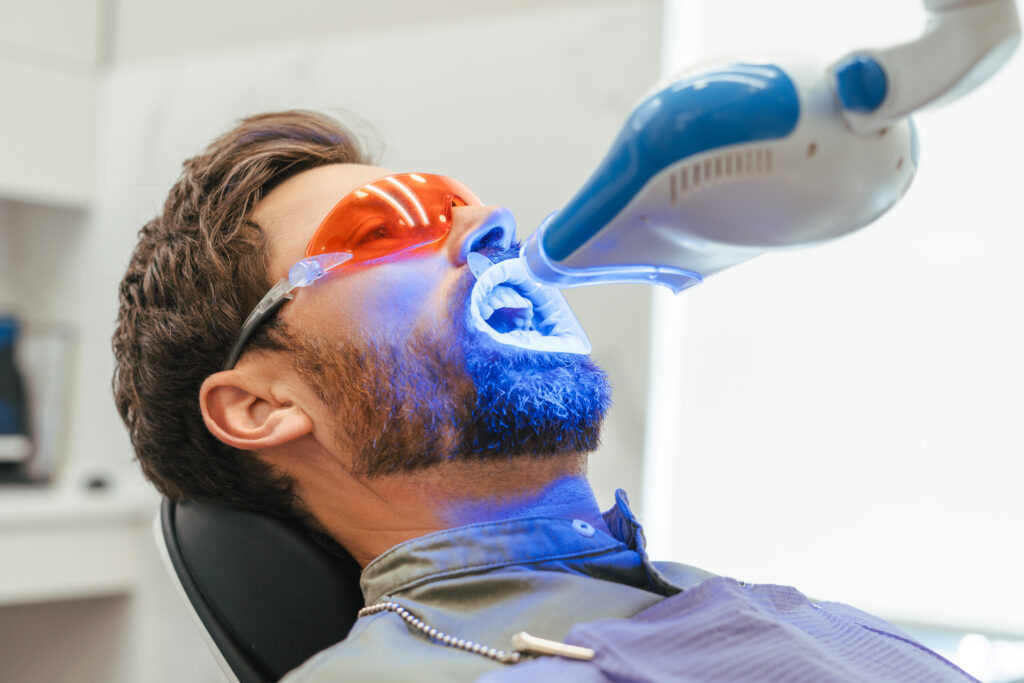
Dental composite bonding is a cosmetic treatment in which a tooth-coloured composite resin is applied directly to the surface of a tooth, shaped by hand, and then hardened with a UV curing light. The result is a seamless, teeth-like restoration that blends with your natural teeth.
Unlike porcelain veneers, composite bonding does not require a dental laboratory or multiple lengthy appointments. In most cases, it can be completed in one to two visits, with results visible straight away.
If you’d like a broader overview of your cosmetic options before diving in, our blog on What Is Cosmetic Dentistry? Understanding Your Dental Aesthetic Options is a helpful starting point.
What Can Composite Bonding Fix?
This is the question most patients want answered first, and the good news is that composite bonding covers a surprisingly wide range of concerns:
- Composite bonding for chipped teeth — one of the most common applications; the resin rebuilds the broken edge and is shaped to match the original tooth
- Tooth bonding for gaps (diastema) — small spaces between teeth, particularly the upper front teeth, can be closed or reduced using composite
- Dental bonding for front teeth — discolouration, staining, or uneven colour that whitening can’t address can be covered with a thin layer of resin
- Repairing cracked or worn teeth — composite restores the shape of teeth that have worn down over time or developed hairline cracks
- Correcting minor misalignment — teeth that appear slightly out of proportion or uneven can be reshaped to look more symmetrical
- Protecting exposed tooth roots — where gum recession has left the root surface exposed, bonding can provide a degree of protection
It’s worth noting that composite bonding works best for minor to moderate cosmetic concerns. For more significant changes to shape, size, or colour, your dentist may recommend porcelain veneers as a longer-lasting alternative.
Our blog on Are Veneers Permanent? Understanding Longevity and Maintenance explains the difference in detail.
What Does the Composite Bonding Procedure Involve?
One of the things patients appreciate most about composite bonding is how straightforward the process is. Here’s what to expect at Bellevue Hill Dental:
- Consultation and trial stage — your dentist examines your teeth, discusses your goals, and walks you through a trial so you can preview the proposed changes before committing
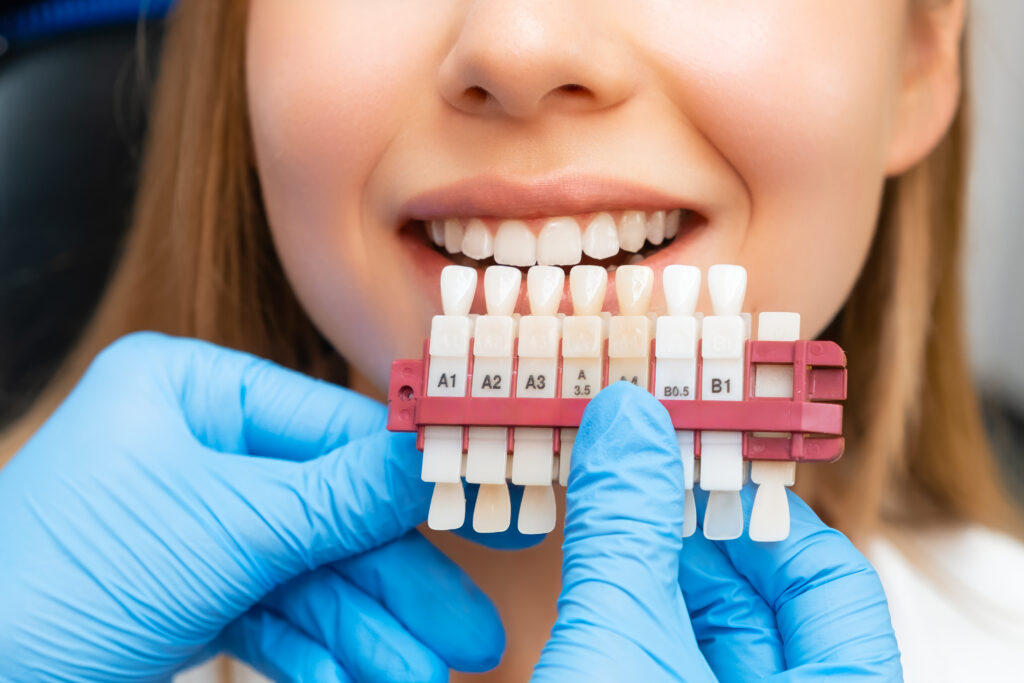
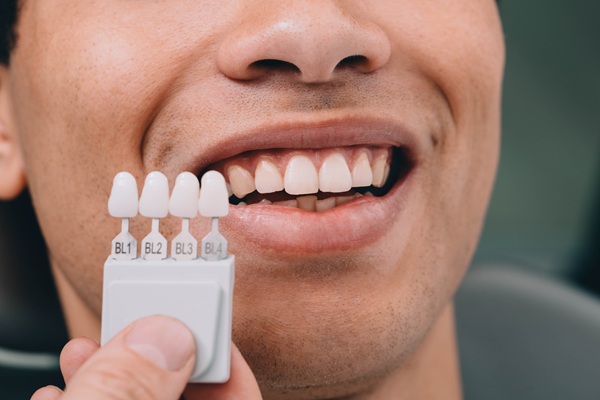
- Shade matching — a shade card is used to identify the closest colour match to your natural teeth; if teeth whitening is recommended first, a two-week home whitening course is completed before bonding begins so the composite can be matched to your refreshed shade
- Tooth preparation — the tooth surface is lightly cleaned and shaped as needed; if any decay is present, this is addressed before the resin is applied
- Acid etching — a mild acidic gel is applied briefly to roughen the tooth surface, which creates a stronger bond between the tooth and the resin
- Composite application — the resin is placed, moulded, and carefully contoured by hand to achieve the desired shape and size
- Curing and finishing — a high-intensity UV light sets the composite; it’s then trimmed, shaped, and polished to a smooth, natural finish
- Bite check — your dentist checks your bite and overall function to make sure everything feels comfortable
The entire process is generally well tolerated and, for most cases, requires little to no anaesthetic.
Also read: Planning a Smile Makeover: What to Discuss With Your Dentist at the First Visit
How Long Does Composite Bonding Last?
With good care, composite bonding typically lasts five to seven years before it may need refreshing or replacing. This is shorter than porcelain veneers, but the trade-off is that composite bonding is significantly more affordable and can be repaired or touched up easily if needed.
Several factors influence longevity, including your oral hygiene habits, diet, and whether you grind your teeth. Patients who clench or grind (bruxism) are generally advised to wear a night guard to protect both their natural teeth and any bonded restorations.
To take care of your composite bonding, here are some tips that dentists generally recommend.
Composite Bonding Aftercare: How to Look After Your Results
Composite bonding aftercare is simple and largely overlaps with good general oral hygiene:
- Brush twice daily with a soft-bristled toothbrush and non-abrasive toothpaste
- Floss daily to keep the gum line healthy around bonded teeth
- Avoid biting hard objects — ice, pens, hard lollies, and fingernails can chip the composite
- Limit staining drinks such as coffee, tea, and red wine, or rinse your mouth after consuming them; composite resin is more susceptible to staining than porcelain
- Avoid excessive whitening products — over-the-counter whitening treatments don’t lift composite resin the same way they do natural enamel, and can cause uneven colour
- Wear a night guard if you grind your teeth
- Keep up with regular dental check-ups so your dentist can monitor the bonding and advise on any maintenance
Is Composite Bonding Right for You?
Composite bonding may be an appropriate option for patients looking for a conservative, cost-effective way to address minor smile imperfections, without the commitment of more extensive treatment. It’s particularly well-suited to patients who want to make subtle, natural-looking improvements to their front teeth.
However, it’s still best to talk to your dentist first to be assessed thoroughly.
At Bellevue Hill Dental, our team takes the time to understand what you would like to change about your smile and recommends the treatment most likely to deliver the result you’re after. Explore our composite bonding service to learn more.
Frequently Asked Questions
Is composite bonding painful?
For most patients, composite bonding requires little to no anaesthetic. It’s a conservative procedure that involves minimal tooth preparation. If any decay needs to be removed first, a local anaesthetic may be used for that part of the treatment.
Discussing and getting your teeth assessed by a dentist helps you give better understanding of whether composite bonding is suitable for you.
Can composite bonding be whitened if it discolours?
Composite resin doesn’t respond to traditional teeth whitening treatments the way natural enamel does. If your bonding has discoloured over time, your dentist can assess whether it needs to be refreshed or replaced.
This is also why teeth whitening is often recommended before bonding, so the composite can be matched to your desired shade from the outset.
Is composite bonding the same as a veneer?
They’re related but different. Composite bonding involves applying resin directly to the tooth in a single visit and is generally more affordable. Porcelain veneers are custom-made in a laboratory and bonded to the tooth, and tend to last longer and are more resistant to staining, but involve a larger investment.
Your dentist can help you weigh up which option suits your goals and budget.
How soon can I eat and drink after composite bonding?
You can eat and drink straight after your appointment, though it’s a good idea to avoid very hard, sticky, or heavily pigmented foods and drinks in the first 24 to 48 hours while the composite fully settles.
Your dentist will give you specific aftercare advice at your appointment.