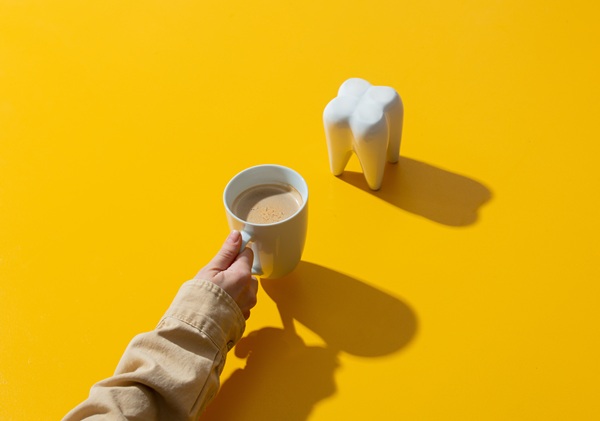
For many of us, the morning cup of coffee is non-negotiable. It’s part of the routine, the ritual, even. But if you’ve noticed your teeth looking a little less bright than they used to, you might be wondering whether your daily habit is partly to blame.
The honest answer is: yes, coffee does stain teeth. But understanding how it happens and what you can do about it makes the whole thing a lot more manageable.
Why Does Coffee Stain Teeth?
Coffee contains compounds called tannins, a type of polyphenol found in many plant-based foods and drinks. Tannins cause colour compounds to stick to the surface of your teeth rather than washing away naturally, which is what leads to that familiar yellowing or dulling effect over time.
Coffee is also naturally acidic. Acid temporarily softens tooth enamel, making the surface slightly more porous and therefore more vulnerable to staining, particularly immediately after drinking. The combination of tannins and acidity makes coffee one of the more potent culprits behind extrinsic tooth stains.
Enamel Staining vs Surface Staining: What’s the Difference?
This is an important distinction when it comes to understanding coffee-stained teeth and how to treat them.
Extrinsic stains (surface staining) sit on the outer layer of the tooth, which is the enamel. These are caused by food, drink, and lifestyle factors like coffee, tea, red wine, and smoking.
They affect the surface appearance of the tooth but don’t penetrate the inner structure. The good news is that extrinsic stains respond well to professional cleaning and teeth whitening.
Intrinsic stains sit deeper within the tooth structure itself, which is the dentine. These can result from certain medications, trauma, fluorosis, or ageing. Intrinsic staining is harder to address and may require cosmetic treatments, such as veneers or bonding, rather than whitening alone.
Fortunately, most coffee-related discolouration is extrinsic, which means it’s very much treatable.
How to Prevent Coffee Stains on Teeth
Prevention is always easier than removal treatments. Here are a few simple habits that may help reduce how much coffee staining builds up on your teeth over time:
- Drink through a straw — it sounds simple, but using a straw reduces the direct contact between coffee and your tooth surfaces
- Rinse your mouth with water after your coffee — this helps dilute and wash away tannins before they have a chance to settle
- Wait 30 minutes before brushing — brushing immediately after coffee (or any acidic drink) can spread the acid across your enamel while it’s temporarily softened; rinsing first and waiting is the smarter move
- Limit the number of coffees per day — it’s not about cutting out coffee entirely, but frequency matters; sipping one coffee over a long period exposes teeth to more sustained staining than drinking one cup relatively quickly
- Keep up with professional cleans — a scale and clean for stained teeth removes surface staining and tartar build-up that regular brushing can’t address
- Use a whitening toothpaste — a gentle whitening formula used consistently can help manage surface staining between professional appointments
Also read: What Is Cosmetic Dentistry? Understanding Your Dental Aesthetic Options
Other Foods and Drinks That Stain Teeth
Coffee is not the only suspect for stained teeth. Many everyday foods and drinks that stain teeth share the same tannin-rich, acidic, or deeply pigmented properties
Here are some of them:
- Tea — particularly black tea, which can be even more staining than coffee due to its higher tannin content
- Red wine — another tannin-heavy drink that also has high acidity
- Dark soft drinks — cola and similar drinks combine acidity with dark pigmentation
- Berries — blueberries, blackberries, and pomegranate are nutritious but intensely pigmented
- Tomato-based sauces — the acidity and colour can cling to enamel over time
- Soy sauce and balsamic vinegar — deeply coloured condiments that are worth rinsing after
However, this doesn’t mean you should avoid all of these. Being mindful and maintaining good habits around them may also help in keeping your teeth stain-free.
Removing Coffee Stains: Professional Options
If staining has already built up, at-home habits will only go so far. Here’s where professional teeth whitening makes a real difference.
Scale and Clean
Before any whitening treatment, a professional scale and clean is highly recommended — and at Bellevue Hill Dental, we always suggest this as a first step. A scale and clean removes surface staining, plaque, and tartar build-up, leaving your enamel clean and ready to respond to whitening treatment more effectively.
In-Chair Teeth Whitening
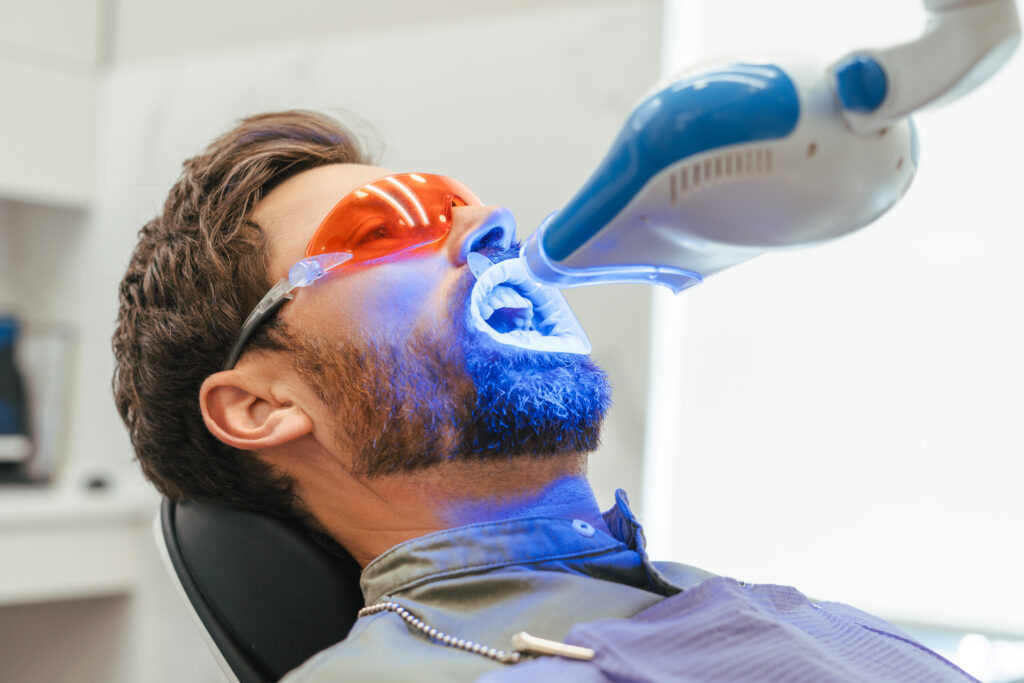
For patients who want faster, more noticeable coffee stain teeth removal, in-chair teeth whitening delivers results in a single visit. At Bellevue Hill Dental, we use Zoom™ — a professional whitening system applied in a series of 15-minute sessions during your appointment.
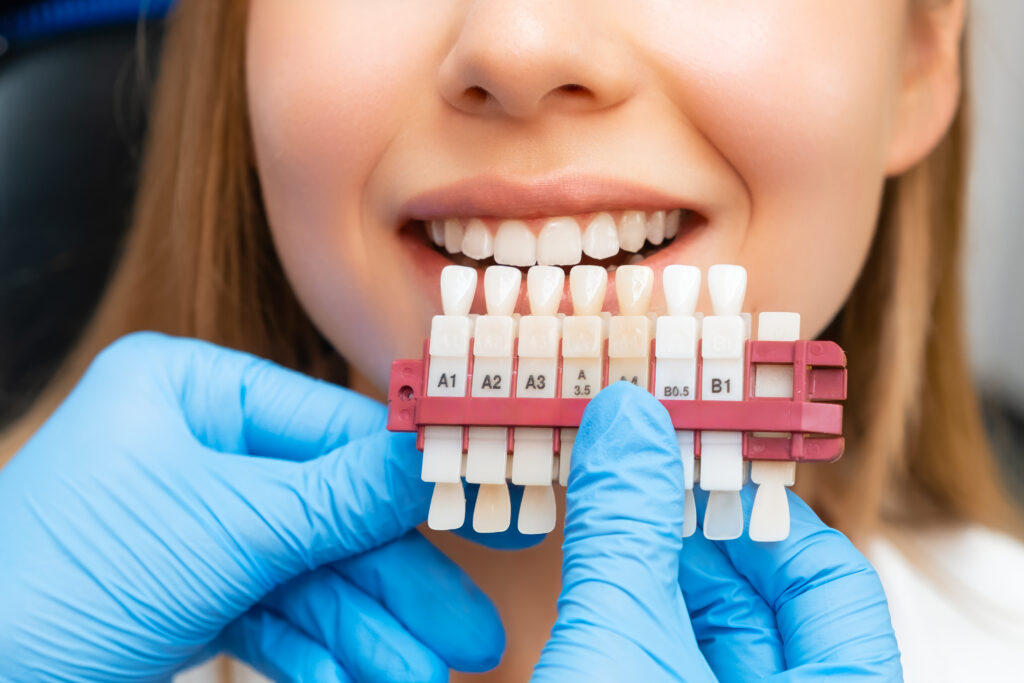
Your target shade will also be discussed beforehand, so results are tailored to look natural and suit your complexion.
Take-Home Whitening Kits
If you’d prefer a more gradual approach, custom take-home whitening trays are another option. We take impressions of your teeth to create trays that fit precisely, then provide you with professional-strength whitening gel to use at home, typically for around one hour per day. Most patients reach their desired shade within two weeks.
Both options use professional-grade products that are significantly more effective than over-the-counter alternatives, and they’re delivered in a safe, supervised environment.
A Brighter Smile Doesn’t Mean Giving Up Coffee
The good news is you don’t have to choose between your morning coffee and a bright smile. With the right preventive habits and a professional whitening treatment when needed, it’s entirely possible to enjoy both.
If you’d like to explore your teeth whitening options or you’re due for a scale and clean, our team at Bellevue Hill Dental would love to help.
Book a consultation today, and let’s talk about getting your smile looking its best again.
Frequently Asked Questions
How often should I get a professional clean if I drink coffee daily?
For most patients, a professional scale and clean every six months is sufficient to manage surface staining and maintain good oral health. If you’re a heavy coffee drinker or notice staining building up more quickly, your dentist may recommend more frequent hygiene appointments. It’s worth discussing at your next visit.
Will teeth whitening damage my enamel?
Professional teeth whitening, when performed or supervised by a dental team, is safe for your enamel. Some patients experience temporary sensitivity during or after treatment, which typically settles within a day or two. Over-the-counter whitening products used excessively carry more risk, which is why professional treatment in a controlled environment is always preferable.
Can I whiten my teeth if I have composite bonding or veneers?
Whitening treatments work on natural tooth enamel but don’t change the colour of composite resin or porcelain. If you have existing restorations on visible teeth, your dentist will factor this into your treatment plan.
In some cases, whitening is completed first so that any restorations can be colour-matched to your refreshed shade, as we mentioned in our blog on How Can Composite Bonding Help My Teeth?
How long do whitening results last?
This depends on your diet and oral hygiene habits. With good maintenance, like regular brushing, limiting staining foods and drinks, and keeping up with professional cleans, results from professional whitening can last a year or more. Occasional top-up treatments may also help maintain brightness over time.